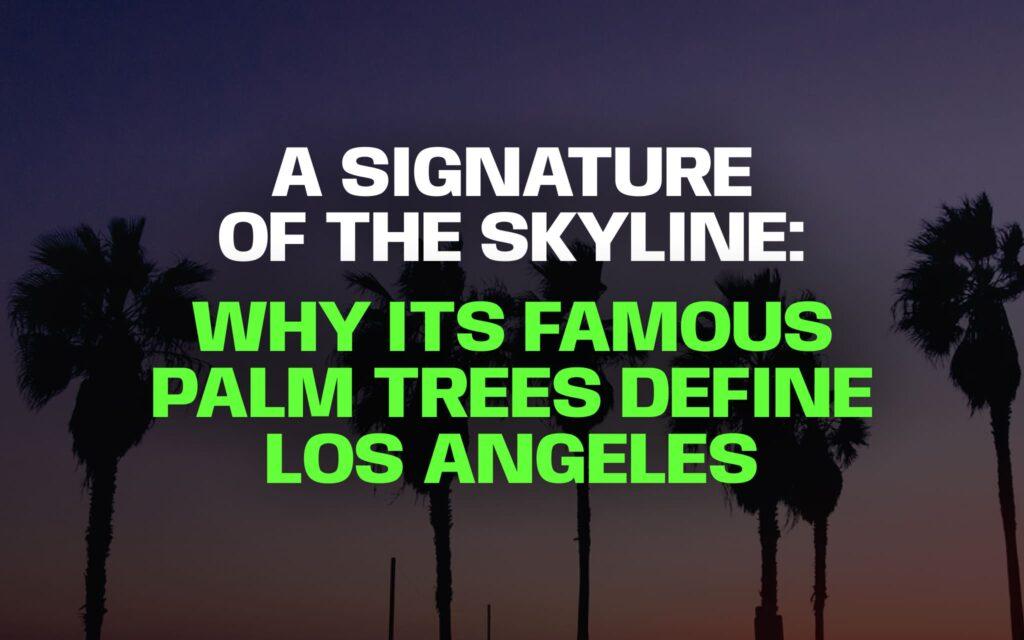

Los Angeles’ skyline is famously punctuated by the slender silhouettes of palm trees, reaching skyward and swaying gently in the breeze. These famous trees have become synonymous with the city’s image, representing its sunny climate and laid-back lifestyle. The prevalence of palm trees in Los Angeles is not just a natural occurrence but a result of deliberate landscaping choices made over the years.
The introduction of palm trees to Los Angeles dates back to the late 19th and early 20th centuries, when city planners and developers sought to create an appealing aesthetic that would attract residents and tourists alike. The 1930s saw a significant increase in palm tree plantings, particularly in preparation for the famous Summer Olympics held that decade. This initiative aimed to beautify the city and provide employment during the Great Depression, leading to the planting of tens of thousands of palm trees along streets and boulevards.
Today, palm trees are an integral part of Los Angeles’ identity, gracing postcards, movies, and countless photographs. Their presence contributes to the city’s famous charm and continues to captivate visitors and residents alike. The enduring appeal of these famous trees lies in their association with the city’s history, culture, and the ever-present California sunshine.
Where to Find the Most Photographed Palms in the City
Los Angeles offers numerous locations where visitors can admire and photograph its famous palm-lined streets. One of the most renowned and famous spots is Beverly Hills, particularly along streets like North Beverly Drive and Rodeo Drive, where tall palm trees line the sidewalks, creating a picturesque setting. These areas are popular among tourists seeking the quintessential Los Angeles experience.
Another iconic and famous location is Sunset Boulevard, which stretches from downtown Los Angeles to the coastal areas. Along this route, palm trees frame the road, offering stunning views, especially during sunset. Venice Beach is also a must-visit destination, where palm trees line the boardwalk, providing a scenic backdrop to the vibrant beach culture.
For those interested in panoramic views, Griffith Park offers trails and viewpoints where palm trees can be seen against the backdrop of the city skyline. These locations not only showcase the beauty of the trees but also highlight their integration into the urban landscape of Los Angeles. Exploring these famous areas allows visitors to fully appreciate the role palm trees play in defining the city’s visual character.
Style, Symbolism, and Sunshine: The Allure of the Palm Tree
Palm trees in Los Angeles are more than just flora; they are famous symbols of the city’s allure and lifestyle. Their tall, slender trunks and feathery fronds evoke images of relaxation, luxury, and the quintessential California dream. This symbolism has been perpetuated through their frequent appearances in famous films, advertisements, and art, reinforcing their association with the city’s identity.
The aesthetic appeal of palm trees contributes significantly to Los Angeles’ famous charm. Their unique shapes and towering presence add a distinctive element to the city’s streetscapes, making them a favorite subject for photographers and artists. The contrast between the green fronds and the blue sky creates visually striking scenes that capture the essence of Southern California.
Moreover, palm trees have become emblematic of the city’s resilience and adaptability. Despite not being native to the region, they have thrived in the local climate and become an integral part of the urban environment. Their presence serves as a reminder of Los Angeles’ ability to blend natural beauty with urban development, creating a famous and enduring landscape.
A Playful Take on Perspective: Exploring the World of Illusions
While palm trees offer a natural spectacle, Los Angeles also boasts attractions that play with perception in imaginative ways. The World of Illusions is one such destination that invites visitors to explore the boundaries of reality through interactive exhibits. This famous attraction provides a fun and immersive experience for all ages.
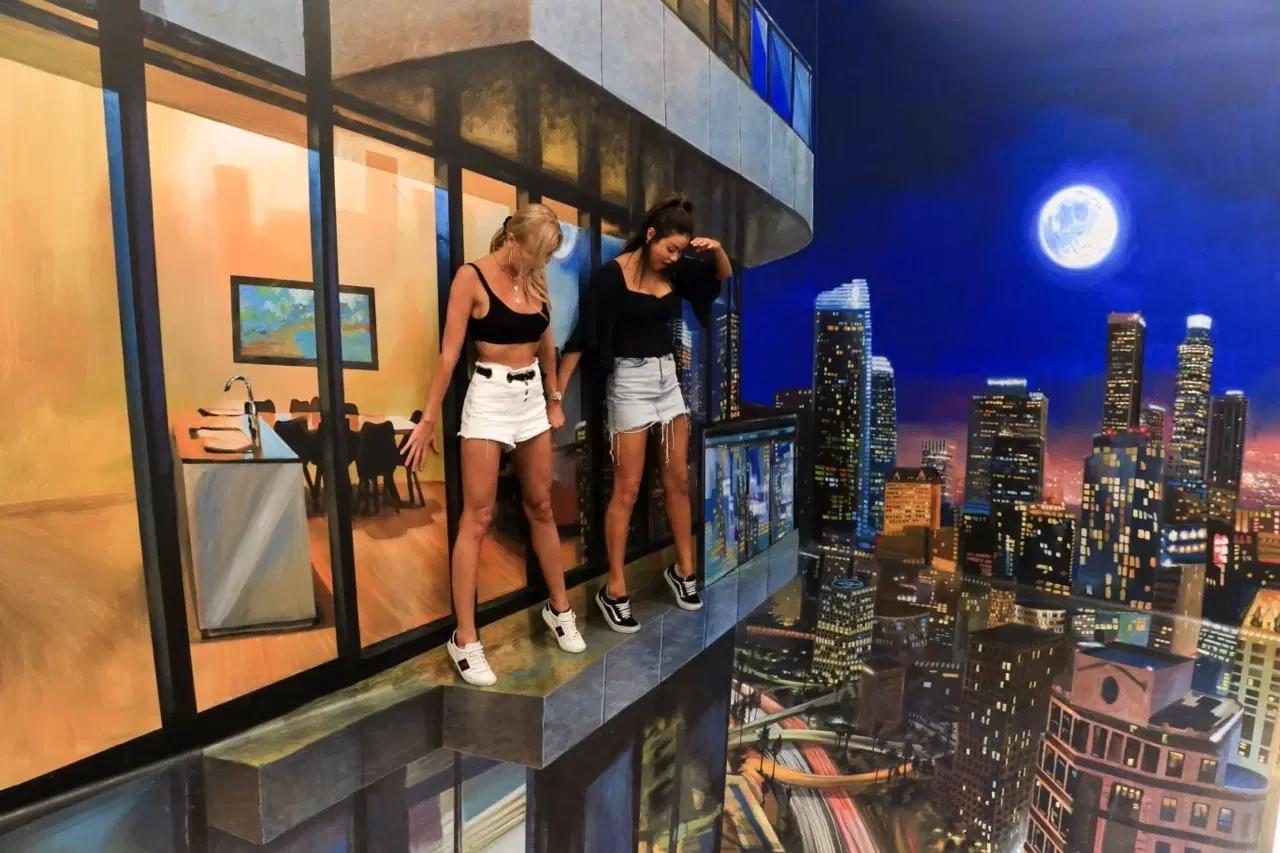
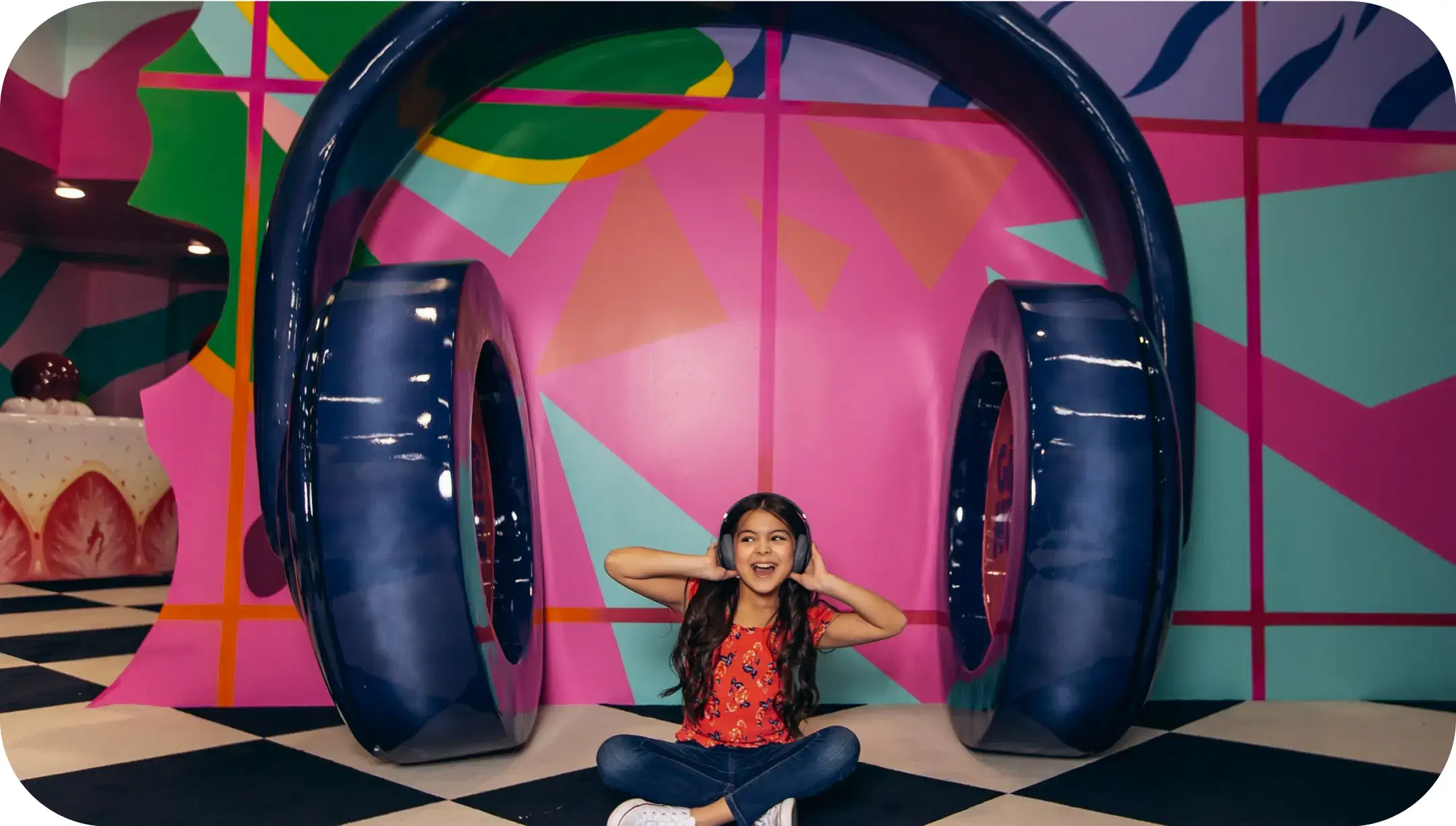
The Giant’s House offers a whimsical experience where guests feel miniature amidst oversized everyday objects. The Upside Down House features seven gravity-defying rooms that flip expectations and invite laughter. The Museum of Illusions showcases over 30 3D artworks that appear to come to life in photographs, placing visitors at the center of the illusion—making it another of Los Angeles’ famous spots for creative content.
For those looking for a different kind of thrill, Smash It! allows guests to write frustrations on plates and smash them against the wall—a uniquely satisfying experience. These engaging exhibits echo the creative spirit that defines Los Angeles. Like the city’s famous palm trees, the World of Illusions invites people to see the world a little differently.
Preserving a Cultural Landscape in a Changing Climate
As Los Angeles continues to evolve, the preservation of its iconic and famous palm trees has become a topic of discussion among city planners and environmentalists. Many of the trees planted during the early 20th century are reaching the end of their natural lifespans, prompting considerations for their replacement and maintenance. The city faces the challenge of balancing historical preservation with ecological sustainability.
Efforts are underway to assess the health of existing palm trees and determine suitable replacements that align with the region’s environmental goals. While some advocate for the continued planting of palm trees to maintain the city’s aesthetic, others suggest introducing a variety of native and drought-resistant species to promote biodiversity and water conservation. These discussions reflect the broader conversation about urban forestry and climate resilience in Los Angeles and its famous urban forests.
Despite these challenges, the cultural significance of palm trees in Los Angeles remains strong. They continue to be celebrated as famous symbols of the city’s heritage and identity. Preserving these trees, whether through maintenance or thoughtful replacement, ensures that future generations can enjoy the iconic landscapes that have defined Los Angeles for over a century.
Seeing the Skyline for Yourself: Tips for Visitors
For those planning to experience Los Angeles’ famous palm trees firsthand, several tips can enhance the visit. Timing is crucial; early mornings and late afternoons offer the best lighting for photography, casting long shadows and highlighting the trees’ textures. Sunset hours, in particular, provide a golden hue that enhances the visual appeal of palm-lined streets—perfect for capturing famous scenic shots.
Exploring neighborhoods like Beverly Hills, Venice Beach, and Griffith Park allows visitors to see a variety of palm tree species and settings. Each area offers unique perspectives, from the upscale boulevards of Beverly Hills to the laid-back atmosphere of Venice Beach. Griffith Park’s elevated viewpoints provide panoramic vistas of the city’s skyline framed by palm trees, ideal for capturing memorable and famous photographs.
When visiting these locations, consider using public transportation or rideshare services to navigate the city efficiently. Many of the palm-lined streets are pedestrian-friendly, allowing for leisurely walks and spontaneous photo opportunities. By immersing oneself in these famous environments, visitors can fully appreciate the role palm trees play in shaping the visual and cultural landscape of Los Angeles.
Where can I see the most famous palm trees in Los Angeles?
Some of the most famous palm trees in Los Angeles can be found along Rodeo Drive, Sunset Boulevard, and Venice Beach. These areas are ideal for scenic walks, photography, and appreciating the tall, elegant palm trees that have become symbolic of Los Angeles style and sunshine.
What makes the World of Illusions a unique stop when exploring Los Angeles?
The World of Illusions in Los Angeles offers a creative indoor experience that complements the city’s famous visual landmarks like its palm-lined streets. With interactive exhibits such as Smash It! and the Upside Down House, it reflects the same artistic and playful energy that defines the city’s most iconic palm trees and attractions.
Why are palm trees considered iconic in Los Angeles?
Palm trees became famous in Los Angeles during city beautification projects in the early 20th century. Though not native, they were planted in large numbers and now line many boulevards and parks. Their distinct silhouette against the skyline helps define the visual identity of Los Angeles, making the trees both cultural and photographic icons.