
From the moment you step inside the Annenberg Space for Photography, you’re entering a world where every image tells a story. Founded by the Annenberg Foundation, this space was created to champion visual storytelling through the transformative medium of photography. Its inception stemmed from a commitment to arts, education, and global exchange, offering both Los Angeles residents and visitors a rare chance to engage with powerful, thought‑provoking exhibitions.
The Annenberg vision emphasizes access and dialogue—this photo‑centric space was built to inspire empathy by showcasing human experiences across cultures and borders. Each exhibit is carefully chosen to spark conversation, foster understanding, and illuminate pressing social issues. It’s a setting where the Annenberg name resonates with quality and a drive to nurture creative minds.
As a result, the Annenberg Space for Photography quickly became more than a gallery—it became a hub for meaningful engagement. The foundation intended this space to serve as a catalyst for learning, encouraging educators, artists, and audiences to explore global themes through visual narrative.
A Dynamic Space for Artistic Exploration
Open and thoughtfully arranged, the architectural layout of the space enhances each exhibition’s impact. High‑resolution lightbox installations and digital projections elevate photographs to immersive sensory experiences, drawing viewers deeper into each visual narrative. Every corner of the space supports the journey through light, color, and composition.
Design elements such as soft overhead lighting, clean exhibit lines, and spacious circulation paths allow visitors to connect closely with each photograph without distraction. The intentional simplicity of the space keeps attention firmly on the imagery, letting exhibitions speak for themselves. This uncluttered environment becomes a gallery where each photograph earns its spotlight.
In addition, the space often hosts panel discussions, screenings, and workshops, creating a dynamic programming complement to static visual displays. Visitors can immerse themselves in both seeing and conversing about photography—making the experience richer, more educational, and far more memorable.
Notable Exhibits and Impact on the Art World
Over the years, exhibitions like War/Photography and Refugee have drawn attention for their rigorous treatment of urgent topics. These showcases presented compelling photojournalism that not only documented events but also invited empathy and awareness—precisely the kind of narrative power the space seeks to amplify.
Equally impactful was Wanderlust, a celebration of travel photography that reminded viewers how landscapes, people, and cultures world‑wide can be connected through a single frame. The diversity of subject matter highlighted the range of photography as an art form—from candid street scenes to striking natural panoramas.
Such exhibits elevated the status of the space within both the art world and public consciousness. Critics and attendees have praised the curator’s ability to blend aesthetic beauty with deeper meaning, reinforcing the institution’s role in shaping discourse around photography’s role in society.
Visitor Experience and What to Know Before You Go
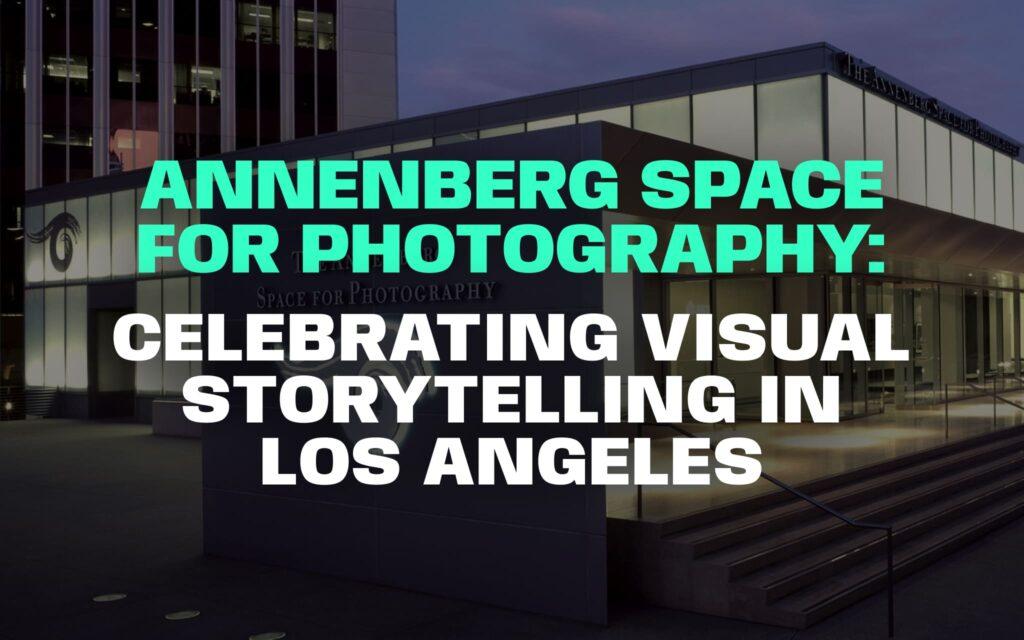
Finding the Annenberg Space for Photography in Century City is simple—just head toward the public plaza, and you can’t miss its understated yet elegant façade. Upon entering, guests are greeted by a well‑designed layout that flows between gallery rooms, ensuring a seamless visual journey.
Visitors can expect rotating exhibitions, so every visit brings something new. Evenings often bring free admission days, artist talks, and curated screenings, giving photography lovers additional ways to connect. The staff is informed, approachable, and ready to share background on featured works or artists, enriching each visit.
The mood inside the space is contemplative yet welcoming, offering moments of quiet reflection or lively discussion. It’s an ideal destination for anyone seeking to engage with compelling visual narratives, whether they’re lifelong photography fans or casual explorers intrigued by powerful imagery.
Interactive Visual Worlds at the World of Illusions
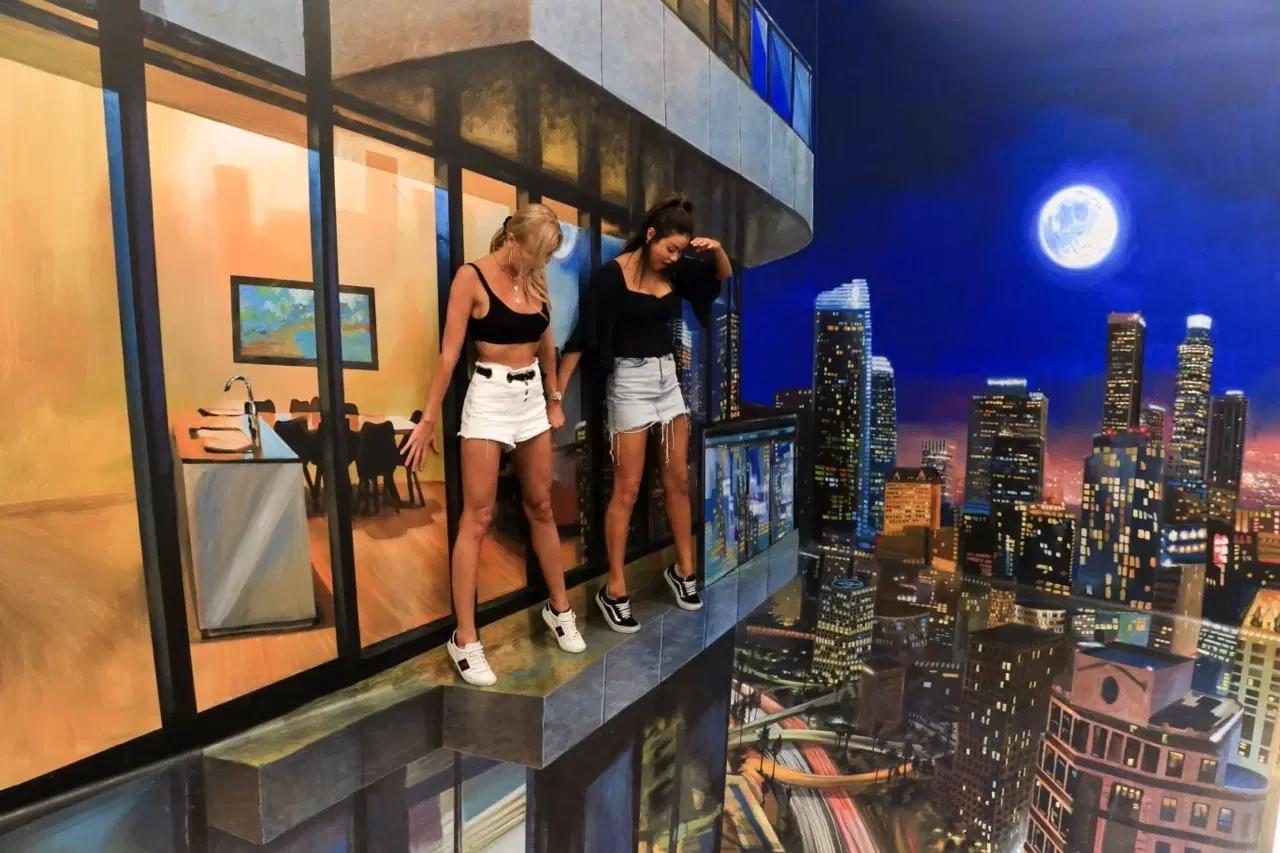
While the Annenberg Space immerses audiences in thoughtful photography, Los Angeles offers another dimension of visual fascination at the World of Illusions. Inside the Museum of Illusions, visitors encounter startling 3D wall scenes that challenge perception, evoking many of the same contemplative reactions that strong photography can inspire.
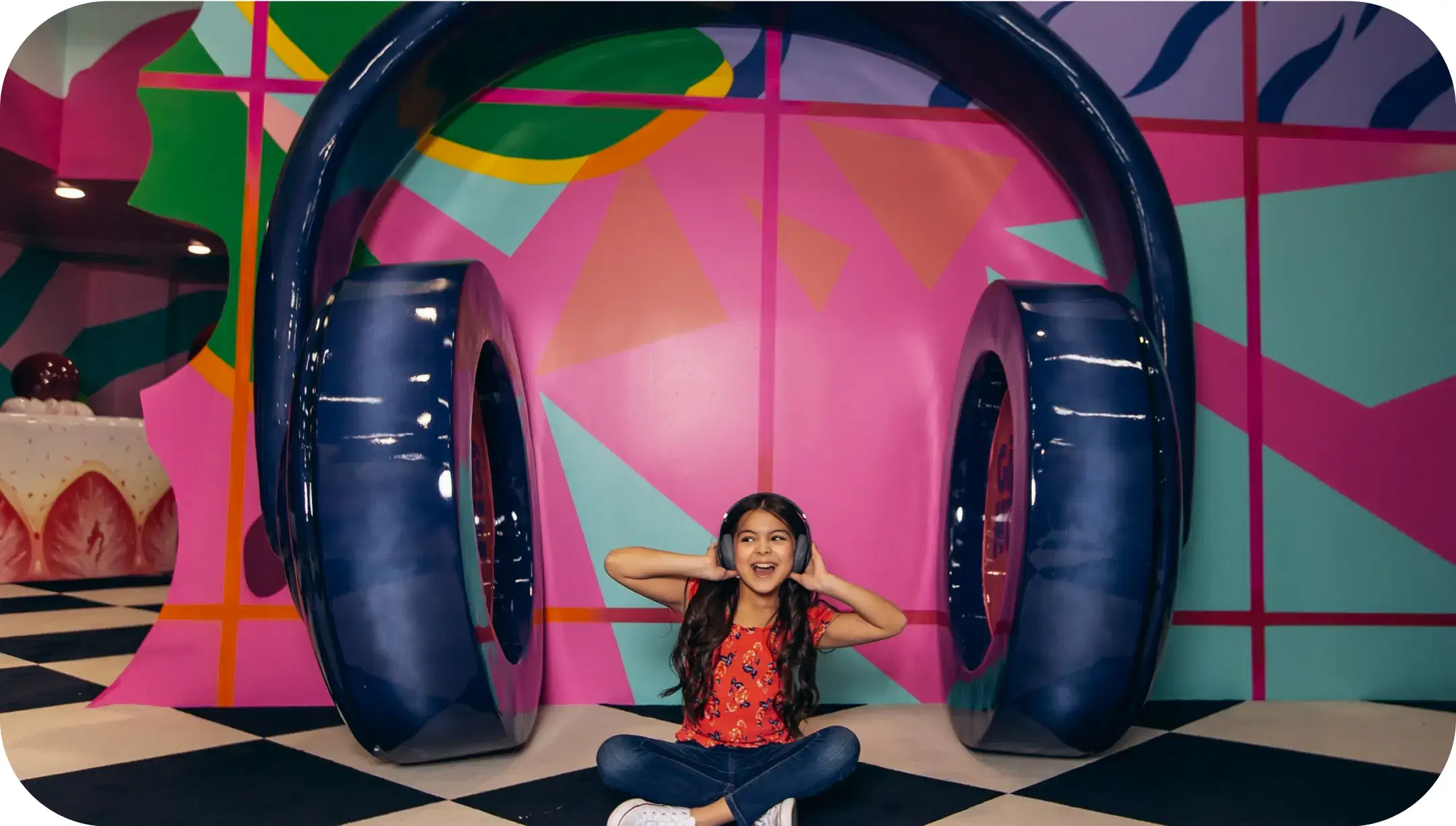
Next, the Giant’s House surrounds you with enormous everyday objects—giant teacups, towering pencils—stretching the viewer’s sense of scale much like striking photographic close‑ups might. The Upside‑Down House then twists reality further with seven inverted rooms, encouraging playful exploration of who we are in re‑imagined settings.
Finally, the Smash It! experience unleashes pent‑up emotion: write frustrations on plates, hurl them against a wall, and feel the exhilarating release echoed in the liberation of creative expression. These exhibits harmonize with the photo‑powered narratives at Annenberg, offering complementary ways to engage visually and emotionally in LA’s cultural tapestry.
Educational Outreach and Community Engagement
Beyond exhibitions, the Annenberg Space for Photography has consistently prioritized education and community connection. Through public programs, docent‑led tours, and collaborative projects with local schools and universities, the space serves as a learning center for all ages. These initiatives transform photography into a participatory tool for discussion, critical thinking, and social reflection.
Workshops and speaker events have featured renowned photographers, curators, and activists who share insights on technique, ethics, and storytelling. Whether it’s a documentary photographer discussing fieldwork or a panel exploring the social impact of images, each event reinforces the Annenberg Foundation’s mission to support cultural literacy through visual media.
Community partnerships have also broadened access to the space. By offering transportation for students, organizing neighborhood photography challenges, and curating family‑friendly events, the Annenberg team ensures that the space remains inclusive and impactful. This commitment cements the space’s reputation as more than just a gallery—it’s a hub where photography sparks learning and connection citywide.
Why the Annenberg Space for Photography Matters
More than a gallery, the Annenberg Space for Photography leaves a lasting imprint on visitors by spotlighting critical global issues through powerful imagery. It continues to nurture emerging talent, giving local and international creators a premier platform for their compelling stories.
The space plays an educational role too: students and educators frequently use exhibits as springboards for research, discussion, and deeper cultural understanding. It’s a place where photography advances beyond aesthetics into realms of social insight and historical documentation.
As Los Angeles evolves, the Annenberg legacy remains deeply embedded in its vibrant cultural ecosystem. The space sustains a tradition of celebrating humanity, enriching the city’s artistic landscape and inviting every visitor to see the world through a more informed, empathetic lens.
What makes the Annenberg Space for Photography unique in Los Angeles?
The Annenberg Space for Photography is unique for its dedication to visual storytelling. It combines museum‑quality exhibitions, educational programs, and a dynamic space that promotes an immersive photography experience in a cultural hub.
How do I experience the Annenberg photography exhibits and World of Illusions together in one visit?
You can explore rotating photography exhibitions at the Annenberg Space and then visit the nearby World of Illusions for hands‑on interactive fun. Both appeal to visual curiosity and creative engagement.
Is the Annenberg Space for Photography suitable for casual visitors or only serious art lovers?
It’s ideal for everyone—from casual visitors to photographers and art students. The space offers accessible, visually compelling exhibits and educational programming that welcomes all experience levels.