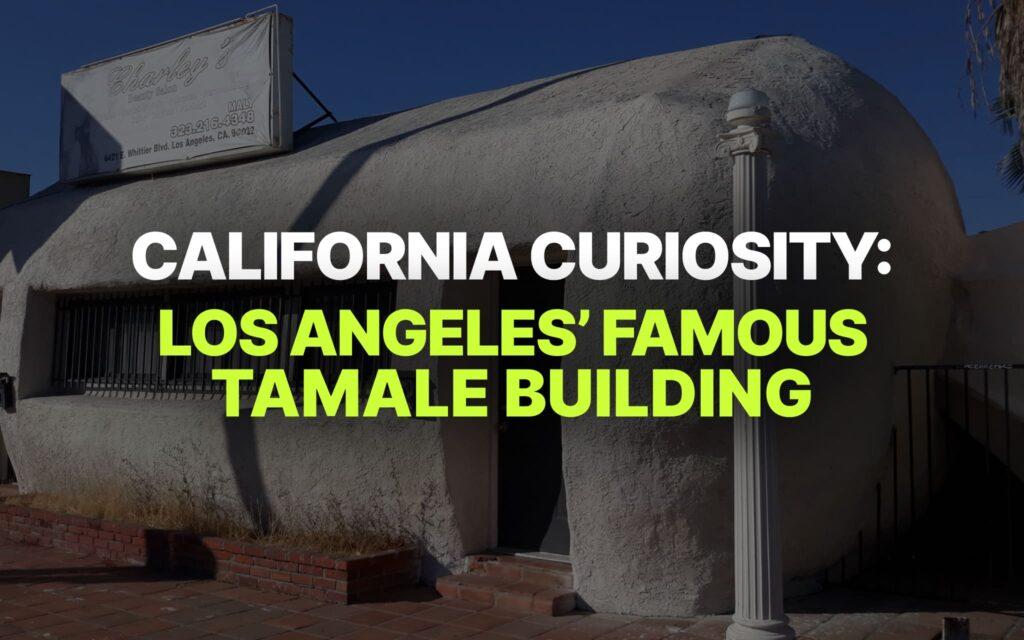

The giant tamale sitting on Whittier Boulevard is not a roadside joke—it’s one of the most famous buildings in Los Angeles. At first glance, it looks like a sculpture from a surrealist dream, but this tamale is a building, and it’s very real. The Tamale Building, shaped exactly like the beloved Mexican dish, is one of the most famous examples of novelty architecture in California. Its cylindrical shape, complete with corn husk texture, makes it instantly recognizable and unforgettable.
Constructed in the 1920s during a boom in programmatic architecture, the building originally served as a tamale and chili stand. Los Angeles became a hub for such creative structures, where form often followed fantasy instead of function. The Tamale Building captured the spirit of a city hungry for innovation and spectacle, cementing its place in local lore.
Today, the building remains a cultural artifact as much as a roadside curiosity. It’s not merely a photo opportunity—it’s a reflection of the era when California celebrated creativity through construction. Its continued survival offers a glimpse into Los Angeles’s past and a reason for architecture enthusiasts and historians to stop and admire.
A Slice of Local Heritage
The Tamale Building isn’t just famous for its shape—it holds real cultural weight in East Los Angeles. This was once a gathering place for locals, offering hot tamales in a warm, welcoming space. It anchored the community not with grand size but with charming character, making it one of the most unique buildings in the area. Whittier Boulevard, where it still proudly stands, has long been a corridor of commerce and culture, and the Tamale Building contributed to that vibrant local identity.
Los Angeles has always been a tapestry of neighborhoods steeped in tradition, and this building played a small yet flavorful role in shaping that identity. As the city grew and modernized, the Tamale Building remained—a rooted piece of the past in a fast-changing landscape. Its presence reflects the intersection of art, culture, and cuisine in California. More than just a famous relic, it represents how food culture and built environment come together to tell a distinctly Los Angeles story.
Even as businesses around it shifted and evolved, the building endured. For many long-time residents, it’s more than just a structure; it’s a symbol of heritage and pride. Some locals recall stopping there as children, wide-eyed at the building’s playful exterior. That kind of emotional connection is what turns ordinary buildings into icons and helps cities like Los Angeles preserve their unique stories. Its survival over nearly a century underscores its cultural relevance and the affection the community continues to hold for it.
Recognition and Revival
Once at risk of falling into decay, the famous Tamale Building found a second life through grassroots efforts to preserve it. Local advocates recognized it as more than just a novelty; it was a rare example of early 20th-century programmatic design. Thanks to their work, the building remains part of the city’s living history. Preservationists fought to maintain not only its physical form but also its visual impact—making sure that its defining features, from the corn husk lines to its rounded shape, stayed intact.
It has since been repurposed and restored, gaining attention from travelers, photographers, and building historians. People come from across California to admire and document the building’s playful exterior and the legacy it represents. It has been featured in articles, television segments, and walking tours that celebrate the unusual architecture of Los Angeles. The Tamale Building now holds a place in the broader conversation about preserving vernacular and novelty structures that fall outside the traditional definitions of historical architecture.
Now recognized for its cultural and architectural significance, the building thrives not only as a reminder of the past but as a vibrant part of the present. It continues to stand proudly, surrounded by murals, businesses, and city life—quietly reminding everyone of the creativity that helped shape California. In a city filled with famous sights, it may not tower above the skyline, but its impact on the streetscape of Los Angeles is every bit as lasting. The Tamale Building offers a rare blend of local history, artistic boldness, and community resilience—all wrapped in one delicious-looking package.
The Broader Legacy of Novelty Architecture
The Tamale Building is far from alone in its whimsical ambition. It belongs to a category of famous structures designed to resemble everyday items—think doughnuts, hats, or hot dogs. These buildings emerged in early 20th-century California as entrepreneurs competed for attention along highways and boulevards.
Los Angeles in particular became a laboratory for this playful style, embracing the idea that a building could sell a product simply by looking like it. It was marketing through architecture, and it worked. People remembered the tamale because they could literally see it from the street, bigger than life and wrapped in charm.
These buildings might seem eccentric now, but they were the precursors to the experience-driven attractions that define much of modern culture. From immersive stores to themed restaurants, the Tamale Building helped pioneer a visual language that still influences how cities like Los Angeles entertain, advertise, and design space.
From Architectural Oddity to Interactive Wonder
In the same city that celebrates the Tamale Building’s visual boldness, the World of Illusions offers a contemporary twist on immersive space. Just a few miles from Whittier Boulevard, this famous attraction embraces the same spirit of playful design by bending perception instead of shape. Visitors come not just to look, but to participate.
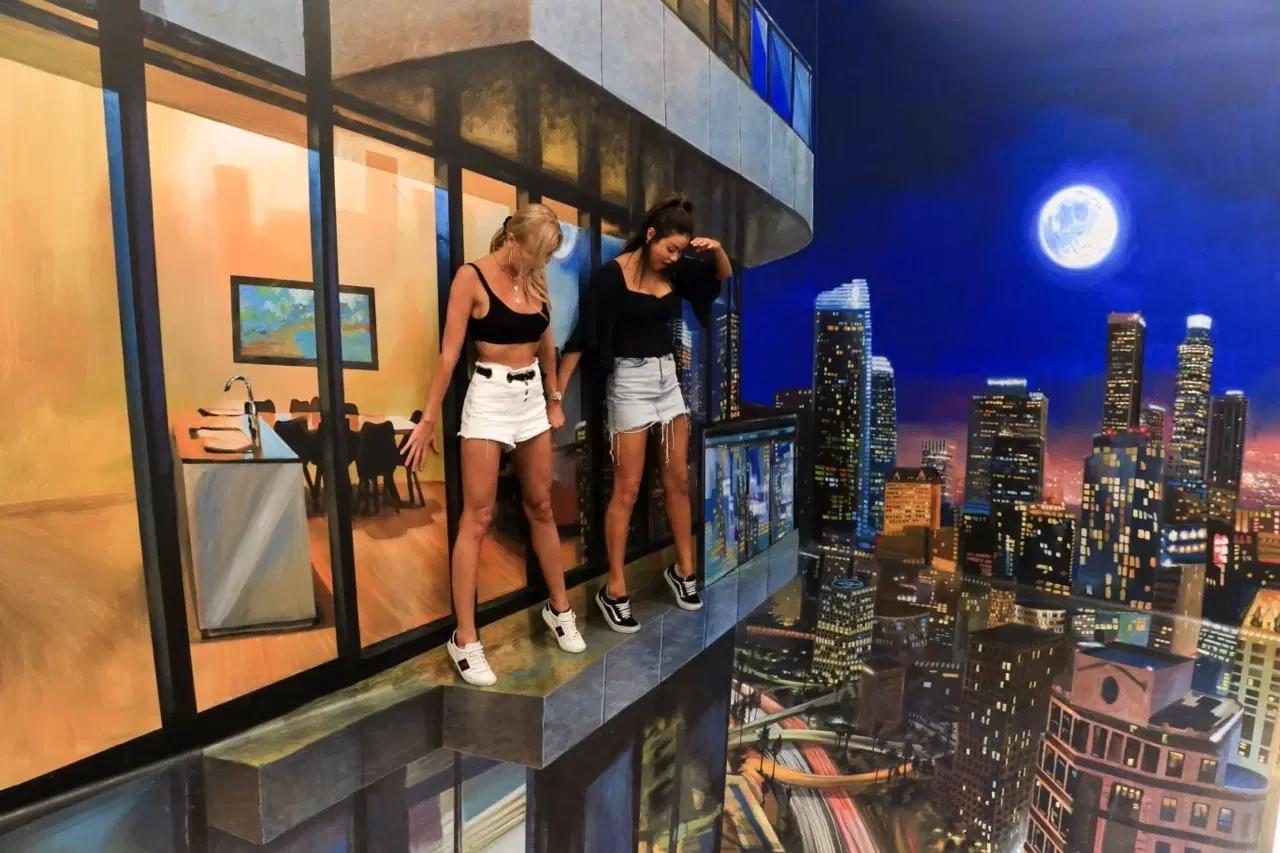
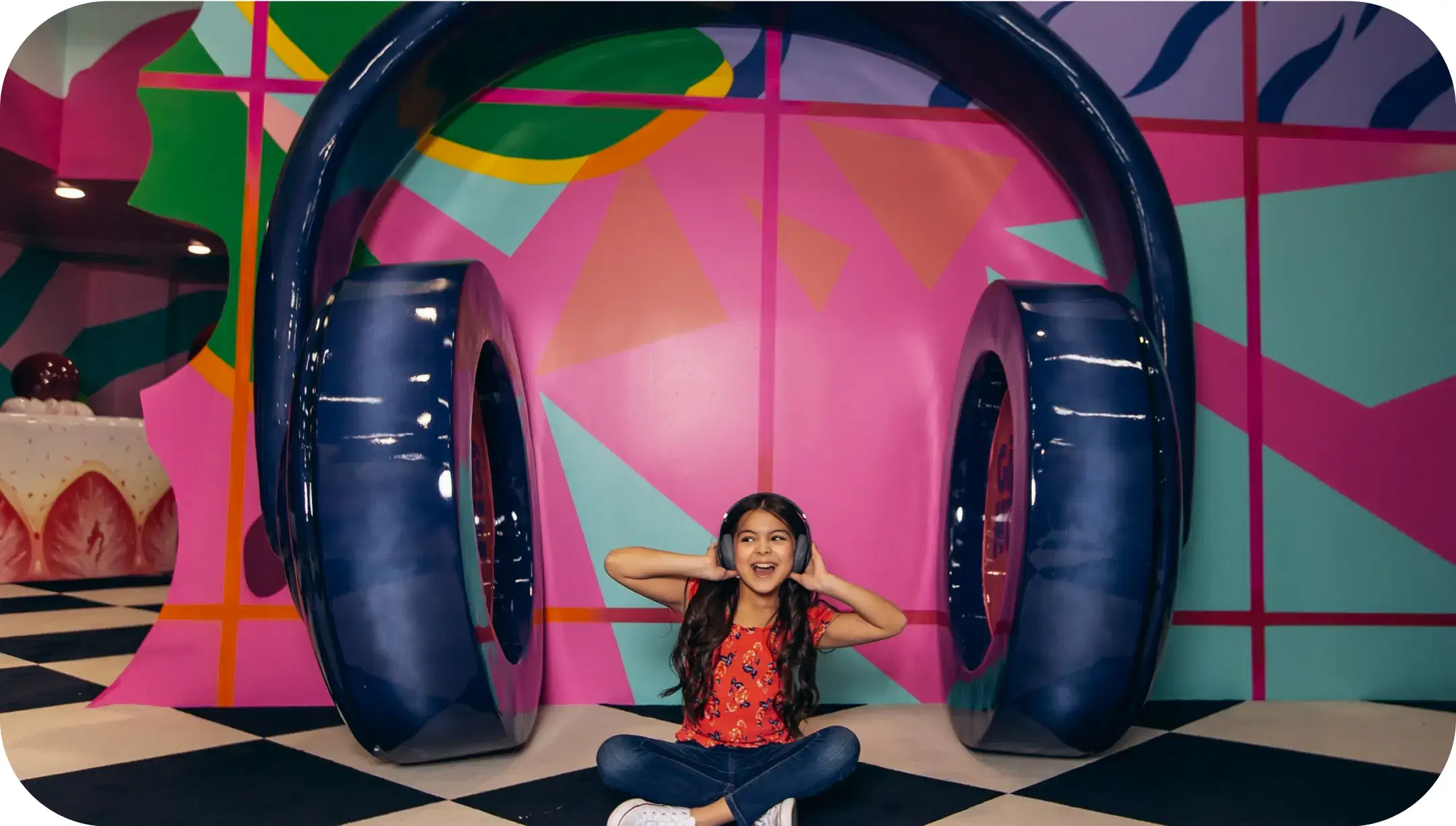
The World of Illusions is made up of four interactive experiences. In the Upside Down House, visitors walk through seven topsy-turvy rooms where furniture clings to ceilings and walls defy gravity. The Giant’s House shrinks guests to doll-size as they wander through massive chairs, plates, and shoes. The Smash It! room offers catharsis by letting you write on plates and hurl them against the wall, while the Museum of Illusions surrounds you with 3D wall art that begs to be photographed.
Much like the Tamale Building, the World of Illusions shows how architecture and space can spark joy, surprise, and memory. These two attractions—one old and famous, the other fresh and surreal—are reflections of the same Los Angeles tradition: turning ordinary things into extraordinary experiences.
Visiting the Tamale Building Today
Located at 6421 Whittier Boulevard, the Tamale Building remains one of the most beloved landmarks in East Los Angeles. Though no longer serving food, the building remains a highly sought-after photo location. Its rounded tamale form still draws attention from people driving or walking past.
Visitors can easily include the site in a day of exploring greater Los Angeles, especially for those interested in vintage architecture or cultural heritage. It’s just one of many buildings in the city that tells a story far deeper than its surface suggests. Whether you’re a local or a tourist, it’s worth the short detour.
If you’re exploring California and want a taste of its unique architectural past, this is a can’t-miss stop. The Tamale Building is a humble structure that carries enormous significance—proof that a small, famous building in Los Angeles can leave a lasting impression.
What makes the Tamale Building so famous?
The Tamale Building is one of the most famous examples of programmatic architecture in Los Angeles. Shaped like a giant tamale, this building gained fame for its quirky design and cultural significance. It’s considered a unique historical site that reflects California’s creative building traditions from the early 20th century.
Where is the Tamale Building located in Los Angeles?
This famous building is located on Whittier Boulevard in East Los Angeles. While small in size, it’s a major landmark recognized for its contribution to local heritage and architecture. Visitors often pair a stop here with a trip to the World of Illusions, which features interactive exhibits just a short drive away.
Are there other interactive attractions near the Tamale Building?
Yes, the World of Illusions in Los Angeles is a popular nearby destination that celebrates visual play in ways similar to novelty buildings. It includes exhibits like the Museum of Illusions, Giant’s House, and Smash It!, making it a fitting complement to exploring California’s most famous architectural curiosities.