
Sunlight filters through towering eucalyptus and tropical palms the moment you step into the Mildred E Mathias Botanical Garden, inviting you into a living classroom. This botanical Garden at UCLA in Los Angeles CA is not just a collection of plants—it’s a celebration of plant diversity, science, and art all wrapped into one vibrant space. As soon as you enter, the air feels different: fresher, richer, brimming with possibility.
Winding paths guide you through themed habitats, each curated for educational value. You’ll find interpretive signs that bring scientific names and global origins to life, making this botanical Garden feel like a hands-on textbook. Curators from UCLA collaborate to maintain rare species and foster public awareness, the Garden serving as a research hub.
What makes this spot unique in Los Angeles CA is that it sits on campus yet feels like a world apart—a sanctuary where research, education, and exploration meet. The Garden is free to all visitors, making it one of the most accessible academic-adjacent natural spaces in the city. Every visit offers discoveries for novices and experts alike.
Legacy of Mildred E Mathias and the Garden’s Creation
The story begins with Mildred E Mathias, a trailblazing botanist who shaped botanical research on the West Coast. Her vision drove UCLA to expand beyond classrooms and labs into this living archive. Under her guidance, the botanical Garden emerged as a key resource for ecological study and conservation.
Mathias championed public engagement with plant science, and this botanical Garden reflects that mission perfectly. Over decades, she collaborated with UCLA faculty and students to bring diverse plant collections from around the world. Now, the Garden thrives as an educational nexus on campus.
Today, as you wander beneath ancient cycads and vibrant succulents, you’re walking through the legacy of a woman who saw plants as pathways to understanding our planet. Mildred E Mathias’s influence echoes in every shaded bench and flourishing plant bed, affirming the Garden’s value to Los Angeles CA and beyond.
Rare Plants and Curated Collections
Across this botanical Garden, you’ll encounter living fossils like cycads alongside exotic orchids and desert marvels. UCLA researchers study these specimens to understand climate adaptation and biodiversity. Each labeled species tells a story of evolution, ecology, and environmental resilience.
The Garden’s collection spans global habitats: a tropical rainforest alcove, arid desert displays, and California-native groves. Visitors can experience plant life from distant continents without leaving Los Angeles CA. These collections support ongoing studies in botany, conservation, and landscape design led by UCLA scientists.
Seasonal changes bring new wonders: spring blossoms, summer fruiting bodies, and autumn foliage. The botanical Garden pulses with life year-round, offering a sensory feast—from hummingbird visits to the scent of citrus blossoms. It’s a paradise for plant lovers, students, and casual explorers alike.
Visitor Experience and Accessibility
Conveniently located near the UCLA campus entrance, the Mildred E Mathias Botanical Garden is easy to reach by car or public transit. Ample signage ensures you can navigate without a guide, while accessible paths welcome visitors of all abilities. Numerous benches invite quiet reflection.
Whether you’re on a quick stroll between classes or planning a full-day adventure, the Garden accommodates all paces. Self-guided tours allow flexible exploration, and occasional campus events offer deeper dives into horticulture. Pack a picnic and linger by the koi pond, or simply breathe in the lush atmosphere.
As a free resource for Los Angeles CA residents and tourists, the Garden embodies UCLA’s commitment to community connection through nature. It’s a place where students and visitors can learn, relax, and recharge, making it one of the most inviting green spaces in the city.
Immersive Visual Exploration at the World of Illusions
After immersing yourself in lush foliage and rare plants, your sense of discovery continues with an excursion to the World of Illusions. Moving from natural beauty to perception-shifting art feels like stepping from reality into playful imagination. The experience seamlessly complements the botanical Garden’s spirit of wonder.
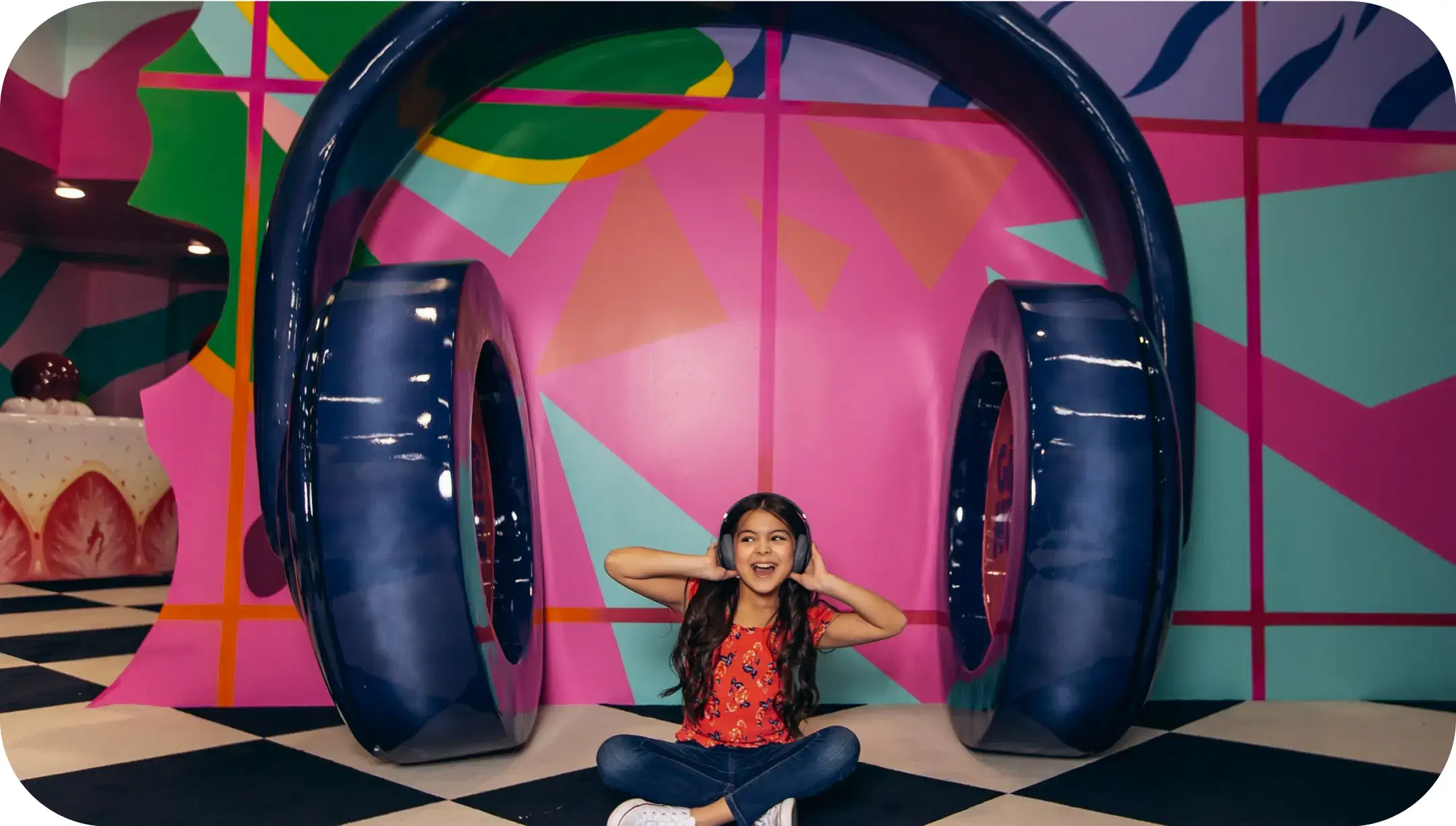
You might first encounter the Giant’s House, where everyday objects loom large and make you feel tiny among oversized furniture and trinkets. Then plunge into the Upside-Down House, where seven inverted rooms challenge your sense of orientation, offering plenty of photo-worthy moments.
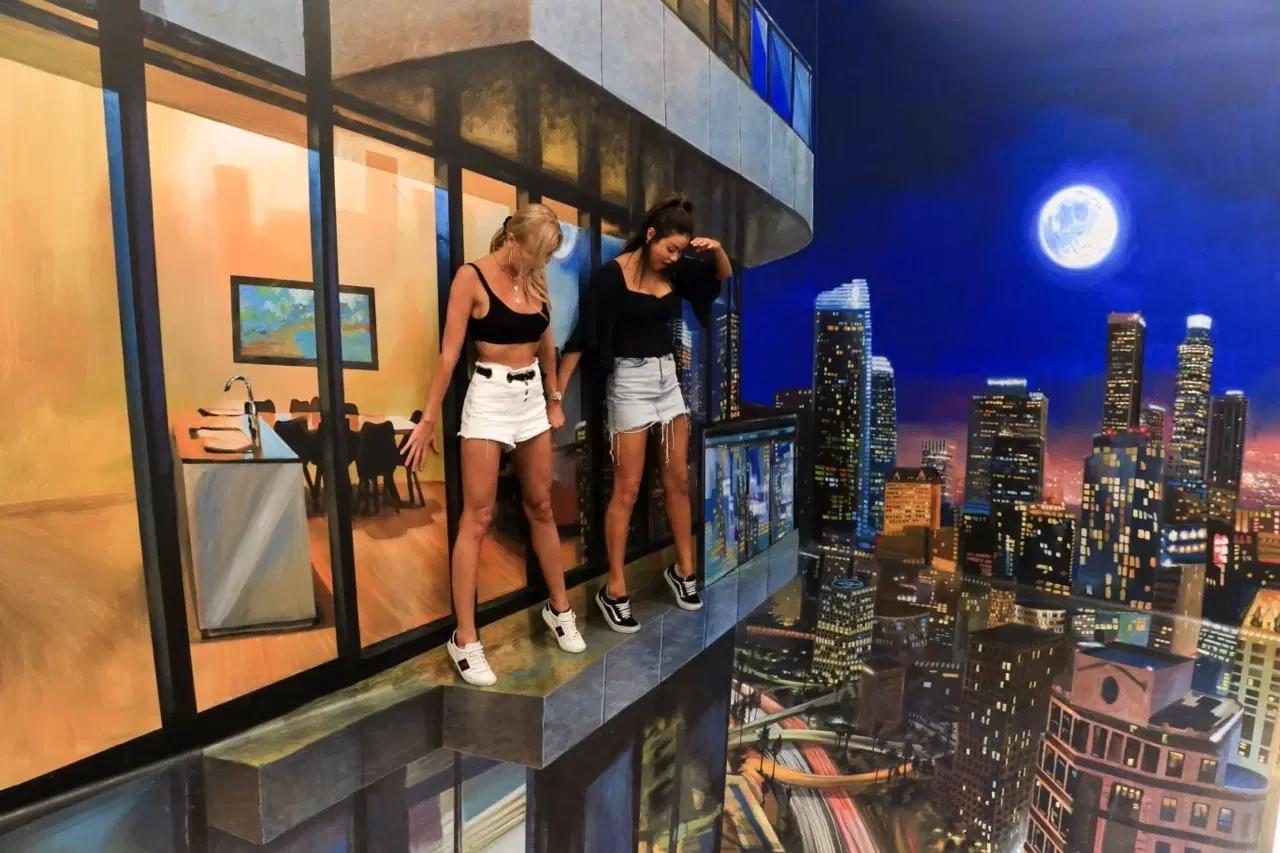
Inside the Museum of Illusions, 3D murals and paintings alter your perspective—walls become visual puzzles that delight and amaze. Finally, Smash It! gives you a cathartic finale: grab a plate, scribble your frustrations, and hurl it against a wall, turning release into spectacle. This blend of natural serenity and interactive art creates a full-sensory outing that surprises and delights.
Connecting the Garden to the Broader UCLA Landscape
The Mildred E Mathias Botanical Garden doesn’t exist in isolation—it is deeply integrated into the broader UCLA environment, both physically and intellectually. As part of the university’s south campus, the Garden is bordered by departments of ecology, biology, and environmental science. This proximity turns the Garden into an extension of the classroom, where students actively engage with living specimens and field-based learning takes root just steps from their lecture halls.
Across the academic calendar, UCLA professors incorporate the botanical Garden into coursework, using it as a site for ecological surveys, plant physiology experiments, and environmental art projects. The Garden’s living collections support student research, from cataloging plant traits to exploring biodiversity patterns. It also regularly hosts outdoor lectures, tours, and field workshops—merging public outreach with collegiate inquiry in a space where ideas and nature intersect.
For visitors, this connection to UCLA adds a meaningful layer to the experience. Walking through the Garden isn’t just a sensory delight—it’s also a window into scientific progress and academic tradition. Mildred E Mathias envisioned a space where research and public engagement would thrive side by side, and today, this botanical Garden fulfills that vision, offering a rare chance to witness both flourishing in the heart of Los Angeles CA.
Why This Garden Matters in a City Like Los Angeles
In sprawling Los Angeles CA, finding a space that unites science, serenity, and community is rare. The Mildred E Mathias Botanical Garden offers exactly that—a living classroom that’s open to all. It reflects UCLA’s academic mission while serving as a peaceful respite from city life.
This botanical Garden nurtures environmental awareness. Through tours and signage, visitors learn about plant conservation, sustainable practices, and global biodiversity. UCLA frequently hosts educational workshops here, connecting learners of all ages with ecological stewardship.
Ultimately, the Garden’s value lies in its seamless blend of research, public access, and natural beauty. Whether you’re a UCLA student, a plant enthusiast, or a curious visitor to Los Angeles CA, this living archive offers discovery at every turn. It’s proof that even in a vast city, pockets of learning and wonder can flourish.
What makes the Mildred E Mathias Botanical Garden at UCLA special?
The Mildred E Mathias Botanical Garden combines rare plant collections, scenic paths, and free public access. Established by botanist Mildred E Mathias in collaboration with UCLA, the Garden promotes conservation, research, and education in Los Angeles.
How do I visit the Mildred E Mathias Botanical Garden in Los Angeles CA?
Located on UCLA’s campus, the botanical Garden is easily reachable by transit or car. It features accessible trails, interpretive signage, shaded benches, and admission at no cost—ideal for all visitors.
Can I pair a visit to the botanical Garden with the World of Illusions?
Yes! After exploring the Garden’s natural beauty, head to the World of Illusions for 3D art, giant exhibits, upside-down rooms, and a Smash It! experience. It’s a creative extension of discovery and sensory fun.