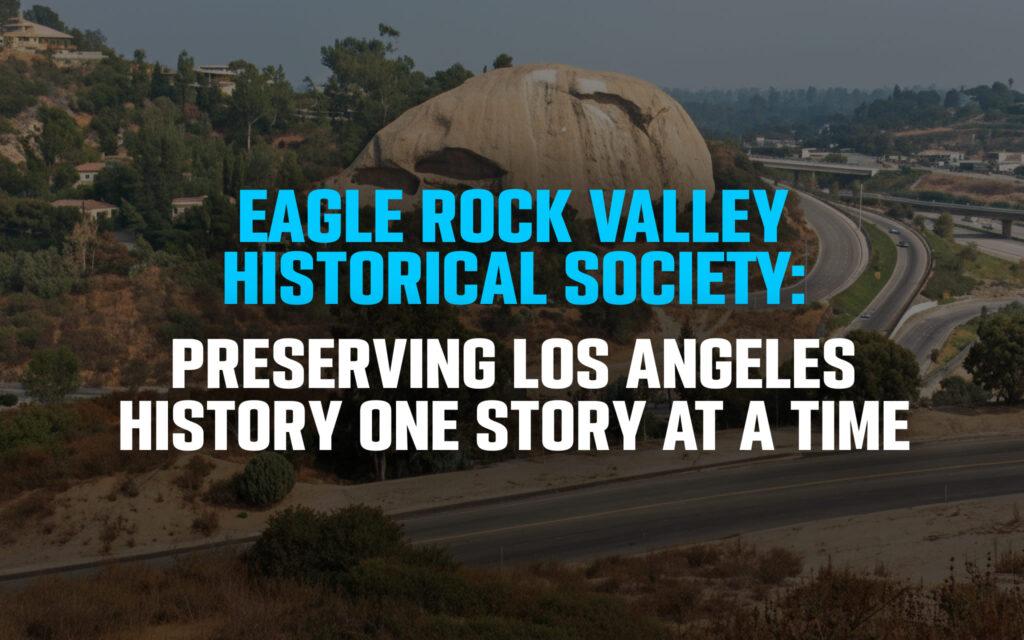

Step into a treasure trove of Los Angeles history as you discover the Eagle Rock Valley Historical Society’s carefully preserved collections. Every worn ledger and sepia-toned portrait here has a voice, telling the story of a neighborhood shaped by generations. Walk among original photographs capturing early 20th-century life, archival maps that chart the neighborhood’s transformation, and handwritten letters that breathe life into the tales of its pioneers. The Eagle Rock Valley Historical Society takes pride in protecting these tangible connections to the past, making them available to the public through engaging displays and periodic exhibits.
Beyond static displays, the Eagle Rock Valley Historical Society hosts rotating exhibitions that focus on significant local themes: from community celebrations and historic architecture to civic milestones. Educational programs, guest lectures, and walking tours breathe new energy into these artifacts, tying them to today’s vibrant Eagle Rock community. By bringing everyday stories into focus, the Eagle Rock Valley Historical Society creates a living timeline that resonates with residents and visitors alike.
What makes the Eagle Rock Valley Historical Society stand out is its steadfast commitment to community involvement. Local families regularly donate heirlooms, photographs, and documents—each one weaving a new thread into the fabric of the region’s history. Volunteers and scholars work side by side to catalog, digitize, and interpret these materials, ensuring that the narrative of Eagle Rock remains comprehensive, inclusive, and deeply rooted in firsthand accounts.
A Local Heritage Told Through Artifacts and Anecdotes
The Eagle Rock Valley Historical Society brings stories of notable local individuals and families to light through its curated exhibits. From early educators and entrepreneurs to community leaders and artists, their contributions are documented with engrossing visuals and personal testimonies. These narratives turn historical data into relatable life stories—transforming names and dates into living memories.
Interactive elements enhance the visitor experience: visitors can listen to recorded oral histories or view vintage home movies that open windows into daily life decades ago. Maps overlay modern streets with historic neighborhoods, giving context to how Eagle Rock evolved and grew. The Eagle Rock Valley Historical Society’s approach isn’t just about viewing artifacts—it’s about creating a dialogue between past and present.
The focus on local voices builds community pride and belonging. Families who see themselves reflected in the exhibits understand that history is dynamic and personal. The Eagle Rock Valley Historical Society fosters that connection, encouraging individuals to explore how their own stories intersect with the broader narrative of Eagle Rock and beyond.
Finding the Eagle Rock Valley Historical Society in Eagle Rock
Tucked into a charming tree-lined neighborhood just northeast of downtown Los Angeles, the Eagle Rock Valley Historical Society occupies a welcoming space that hints at civic pride. Its understated facade invites exploration, with period architectural details that reflect the era of Eagle Rock’s founding. Approaching the building, one senses the harmony between its historical mission and the character of the surrounding community.
Details such as vintage signage and restored floorboards signal the authenticity of the experience inside. Visitors entering the Eagle Rock Valley Historical Society are greeted by knowledgeable volunteers eager to help them explore archival displays or assist with research inquiries. The atmosphere feels like stepping into a time capsule—immersive, intimate, and rich with discovery.
Getting there is easy via public transit or car, with modest parking nearby and pedestrian-friendly streets. Whether you’re combining your visit with a stroll through nearby local shops or planning a dedicated trip, the Eagle Rock Valley Historical Society makes historical exploration accessible and appealing within the greater Los Angeles area.
From Local Archives to Visual Delight: The World of Illusions
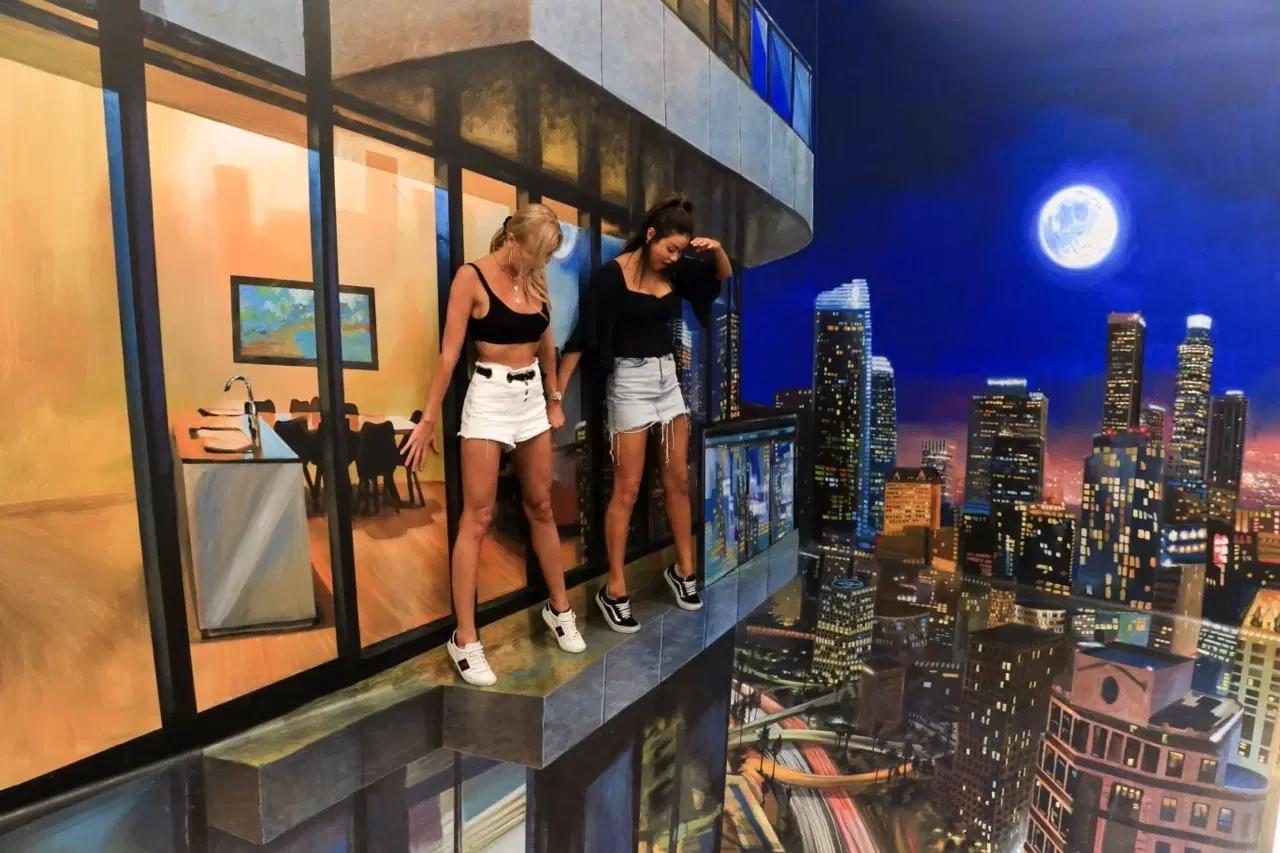
After grounding yourself in the real-life snapshots of Eagle Rock history, prepare for a playful shift in perception at the World of Illusions nearby. Here, history’s authenticity gives way to visual surprises and interactive installations that entertain and spark curiosity. One memorable room is the Upside-Down House, where seven fully inverted rooms let you defy gravity in vivid color and design.
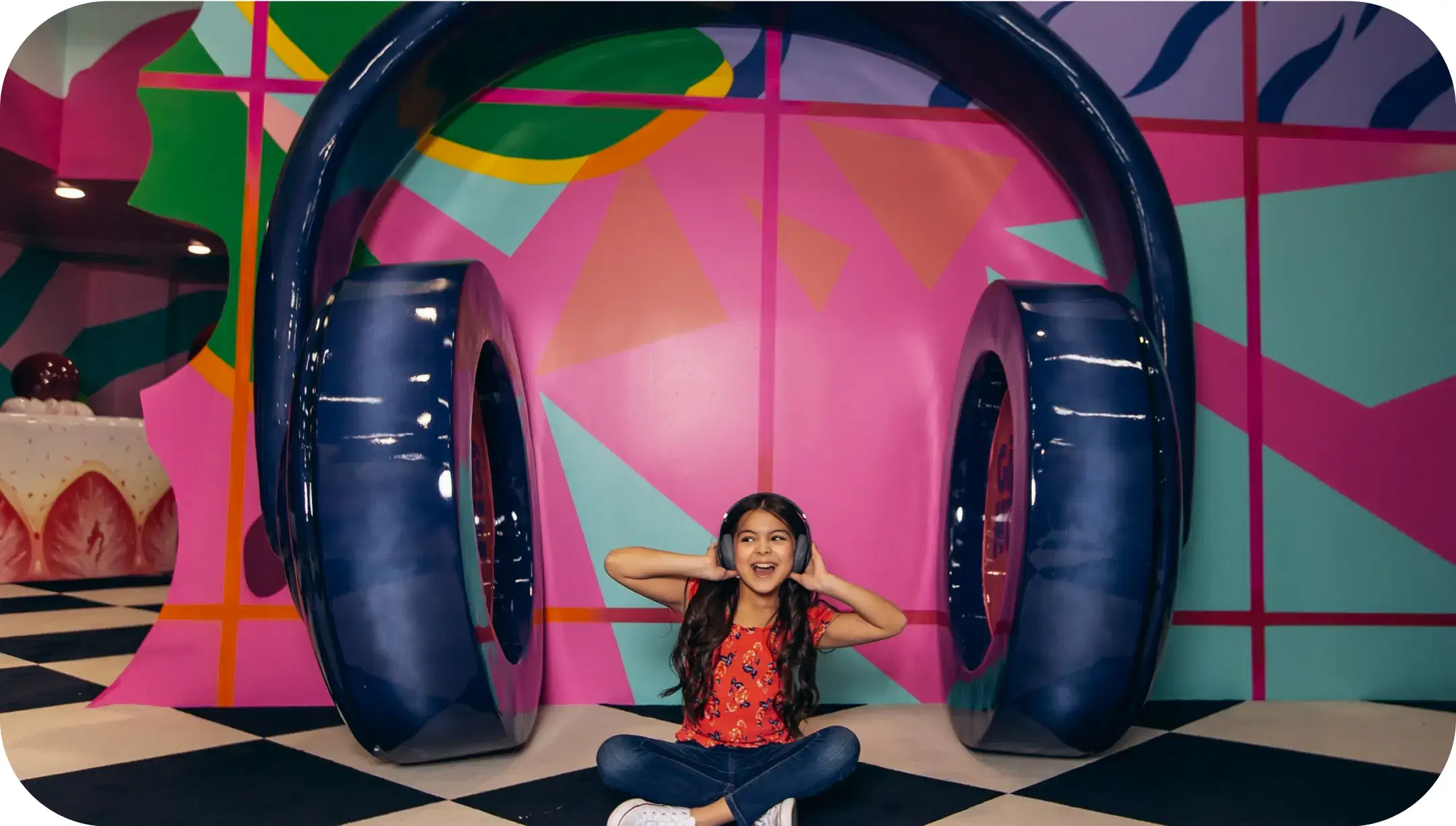
In the Giant’s House, familiar items become monumental—chairs, telephones, and toys enlarged so you feel miniature in comparison. The Museum of Illusions flips your senses with 3D wall art that seems to move, warp, and extend beyond the surface, creating a sense of wonder that delights all ages. Last, in Smash It!, you can scribble a message on a plate, hurl it against the wall, and hear it shatter—an unusual yet cathartic way to let off steam.
This pairing of the Eagle Rock Valley Historical Society’s authentic storytelling with the World of Illusions’ sensory engagement creates a well-rounded day of exploration. You leave not only with newfound knowledge of local heritage, but also with playful memories that twist perspective—inspiring reflection on how we see ourselves and our surroundings.
What is the Eagle Rock Valley Historical Society and why visit it?
The Eagle Rock Valley Historical Society is a community-focused organization preserving the history of Eagle Rock, offering archives, local exhibits, and educational events.
How can I experience both the Eagle Rock Valley Historical Society and the World of Illusions in one day?
Start with immersive local history at the Eagle Rock Valley Historical Society, then continue to the nearby World of Illusions for fun, interactive exhibits like the Upside-Down House or Smash It!.
3Can I access archival materials at the Eagle Rock Valley Historical Society for research?
Yes, visitors can request access to archived photos, letters, maps, and oral histories through the Eagle Rock Valley Historical Society’s volunteer staff during open days.