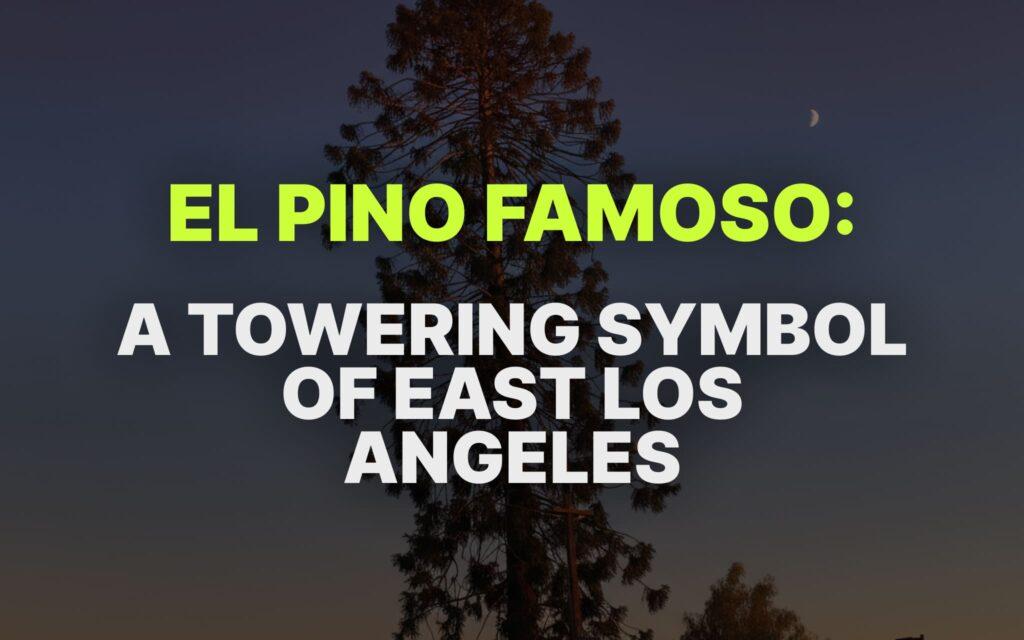

On a quiet slope in East LA, El Pino Famoso rises into the sky like a green monument etched into the soul of the city. Rising high above the rooftops, El Pino Famoso is more than just a tree—it’s a cultural icon rooted deeply in the identity of a proud community. This massive bunya pine, known affectionately as El Pino, stands tall on a residential slope, bearing witness to decades of local history. Its name, meaning “The Famous Pine,” captures the reverence it holds in the hearts of many Angelenos.
El Pino’s story is intertwined with that of Dr. Okuno, a Japanese-American dentist who rebuilt his life and home after the World War II internment of Japanese citizens. The tree stood in his front yard and has since grown to represent perseverance and strength. El Pino Famoso gained widespread recognition after being featured in the 1993 film Blood In, Blood Out, which helped elevate its profile far beyond East LA.
Over the years, El Pino Famoso has become a beacon of cultural continuity. Locals see it as a symbol of La Raza identity, a representation of a community that has fought for dignity and self-determination. Its fame is not born of grandeur, but of quiet, unwavering presence—a reminder of what endures when everything else changes.
Visiting El Pino Famoso: What to Know
El Pino Famoso is located at the corner of Folsom Street and North Indiana Street in East Los Angeles, standing in the front yard of a private residence. It is visible from the street and easily recognized by its towering height and symmetrical bunya pine shape. Though there are no formal signs, plaques, or gates, visitors come from across the city and beyond to catch a glimpse of this landmark.
There are no tours or official visitor hours, but respectful, quiet observation is encouraged. The site is situated in a working-class neighborhood where community pride runs deep. Travelers are advised to be discreet, avoid blocking driveways, and treat the surrounding area with courtesy. The best times to visit are early mornings or just before sunset, when soft lighting highlights El Pino’s green canopy and long shadows.
While visiting, you’ll find yourself surrounded by visual storytelling—murals, nearby homes, and street art contribute to the area’s rich cultural atmosphere. El Pino Famoso is not just the main event; it’s the centerpiece of an ongoing narrative about East Los Angeles and the people who shape its future while honoring its past.
Community Significance of El Pino Famoso
El Pino Famoso is more than just flora—it’s folklore. For the people of East LA, it represents generations of struggle, resistance, and pride. Residents of LA regard it as a symbol of their heritage and identity. It serves as a rallying point in conversations about gentrification, displacement, and cultural preservation.
Murals in the neighborhood often depict El Pino alongside faces of the past and phrases calling for community solidarity. It has appeared in everything from documentary films to grassroots campaigns, affirming its role as a spiritual and cultural anchor. In a world of shifting skylines and fleeting landmarks, the enduring nature of El Pino reminds locals what’s worth fighting for.
Community efforts to protect El Pino have only grown in recent years. When rumors of redevelopment began circulating online, supporters organized petitions and social media campaigns to ensure the tree would remain untouched. These actions show how deeply El Pino Famoso is intertwined with the collective will of East Los Angeles—a living monument to legacy, land, and life.
Exploring Nearby Attractions: World of Illusions
For those traveling through Los Angeles and looking to balance history with entertainment, the World of Illusions offers a completely different kind of visual experience. While El Pino Famoso connects visitors with a deep sense of place and cultural roots, the World of Illusions invites guests to explore perception, imagination, and interactive creativity in a modern setting.
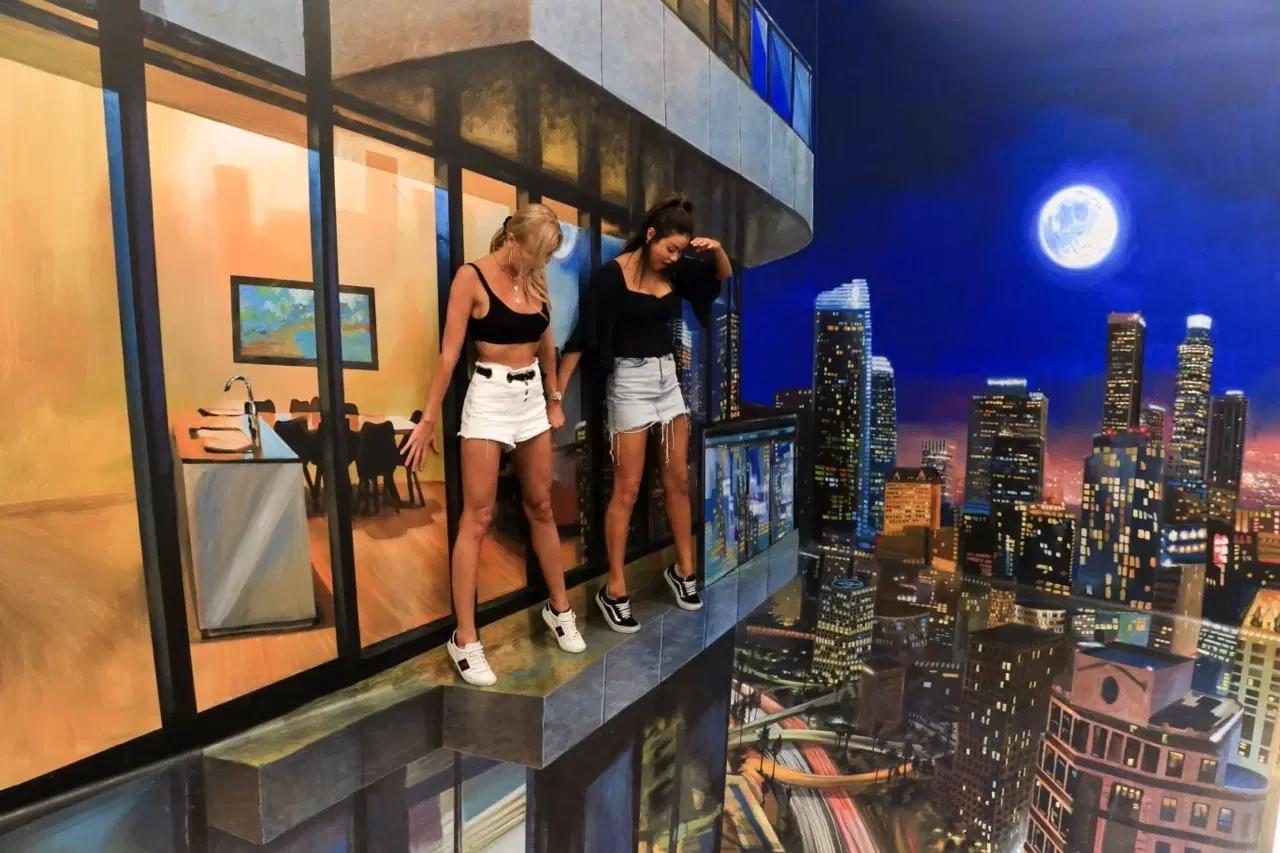
The World of Illusions includes four main exhibits. At the Giant’s House, you’re surrounded by oversized everyday objects that make you feel like you’ve shrunk. The Upside Down House features seven rooms flipped entirely on their heads, creating gravity-defying photo opportunities. At the Museum of Illusions, visitors walk through vibrant, hand-painted 3D scenes that blend surrealism with realism. Then there’s Smash It!, where guests can write frustrations on plates and smash them against the wall—a cathartic outlet of modern expression.
These exhibits create a compelling contrast to the grounded, historic nature of El Pino Famoso. Both places—though very different in tone—showcase how Los Angeles celebrates creativity, storytelling, and community in its many forms. Whether you’re engaging with generational history under El Pino or playfully distorting reality inside the World of Illusions, both offer meaningful ways to experience the diverse fabric of LA.
Embracing the Cultural Tapestry of East Los Angeles
To visit El Pino Famoso is to step into a living story of East Los Angeles. It isn’t a tourist attraction in the traditional sense—it’s a meaningful place that locals hold dear, and visitors are fortunate to encounter. Its roots dig deep not only into the soil, but into the identity of an entire community.
Spending time in East LA allows travelers to experience a vibrant mosaic of traditions, foods, voices, and values. Nearby, you’ll find taquerias serving generations-old recipes, murals narrating complex histories, and music that echoes from block to block. The area doesn’t market itself—it reveals itself, slowly and authentically, to those who take the time to see.
El Pino Famoso stands tall through all of it. Its branches stretch outward like open arms, reminding every passerby that cultural pride is not something locked in a museum—it’s alive, it’s visible, and it’s growing in LA. When you stand before this famous pine, you don’t just see a tree. You see East Los Angeles, and all it represents.
Where is El Pino Famoso located, and why is it important?
El Pino Famoso is located in East Los Angeles at the corner of Indiana and Folsom Streets. It is a towering bunya pine tree that has become a cultural symbol for the community, representing heritage, pride, and resistance. The tree is affectionately known as “El Pino” by locals.
Can I visit El Pino Famoso, and what should I know before going?
Yes, you can view El Pino Famoso from the street, as it stands on private property. Visitors should be respectful of the neighborhood and avoid trespassing. El Pino is a meaningful landmark in East LA, so quiet observation and discretion are strongly encouraged.
Is there anything else to do nearby after seeing El Pino Famoso?
If you’re exploring cultural experiences in Los Angeles, the World of Illusions offers four interactive exhibits including the Giant’s House, Smash It!, Museum of Illusions, and Upside Down House. After visiting El Pino Famoso, it’s a fun, creative way to explore the visual diversity of Los Angeles attractions.