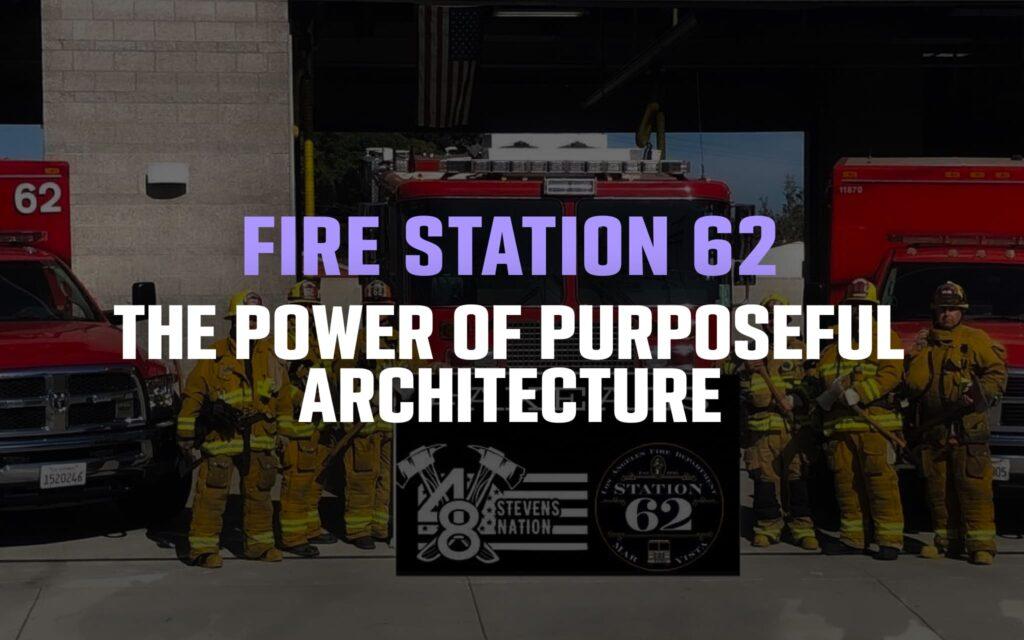

From the moment you around the corner and glimpse Station 62’s glass‑fronted apparatus bay, you feel the tension of preparedness woven into its walls. The echo of boots on polished concrete, the glint of steel columns, and the constant hum of readiness give it an almost cinematic presence. This is no ordinary building—it is a dynamic nexus of preparedness woven into the fabric of its Los Angeles neighborhood. With its prominent red doors and polished apparatus bay, Station 62 radiates a spirit of service and communal pride. Its presence quietly reassures residents, symbolizing stability amid urban bustle.
Fire Station 62 began its life as a purpose-built hub for emergency response crews. Every aspect—from the tailored garage to the firefighter quarters—is laid out for swift action. The station supports fire suppression, rescue operations, medical aid, and community outreach, embodying the unspoken promise of safety for nearby residents. Its layout, meticulously planned, allows firefighters to transition instantly from rest to emergency response.
As a civic asset, Fire Station 62 stands in harmony with its surroundings. It anchors public confidence and fosters trust between citizens and emergency providers. Though its face is practical, the station’s presence offers reassurance—an architectural testament to the vital role of fire protection in urban environments. Residents often pause outside, appreciating how effortlessly the building fits into the neighborhood’s architectural rhythm.
Modern Architecture in Public Service
The architecture of Fire Station 62 captures attention with its deliberate blend of strength and simplicity. Clean lines of steel and glass form a facade that is both striking and purposeful. The exterior’s robust materials—reinforced concrete, transparent glazing—suggest permanence, visibility, and resilience under pressure.
Inside, the layout speaks to smart design. Short stairwells connect dorms and dispatch centers, enabling firefighters to leap into action. The architecture fuses form and function: communal kitchens adjacent to gear rooms, rest areas overlooking the apparatus floor, and natural light pouring through clerestory windows to reduce reliance on artificial illumination.
Beyond efficiency, the architectural choices at Station 62 whisper of civic pride. Angled rooflines echo the geometry of surrounding rooftops, while the interior palette—soft grays, brick reds—hints at the building’s public mission. Through this architecture, Station 62 becomes more than a firehouse—it becomes a carefully crafted landmark.
Visual Perception and Built Environments
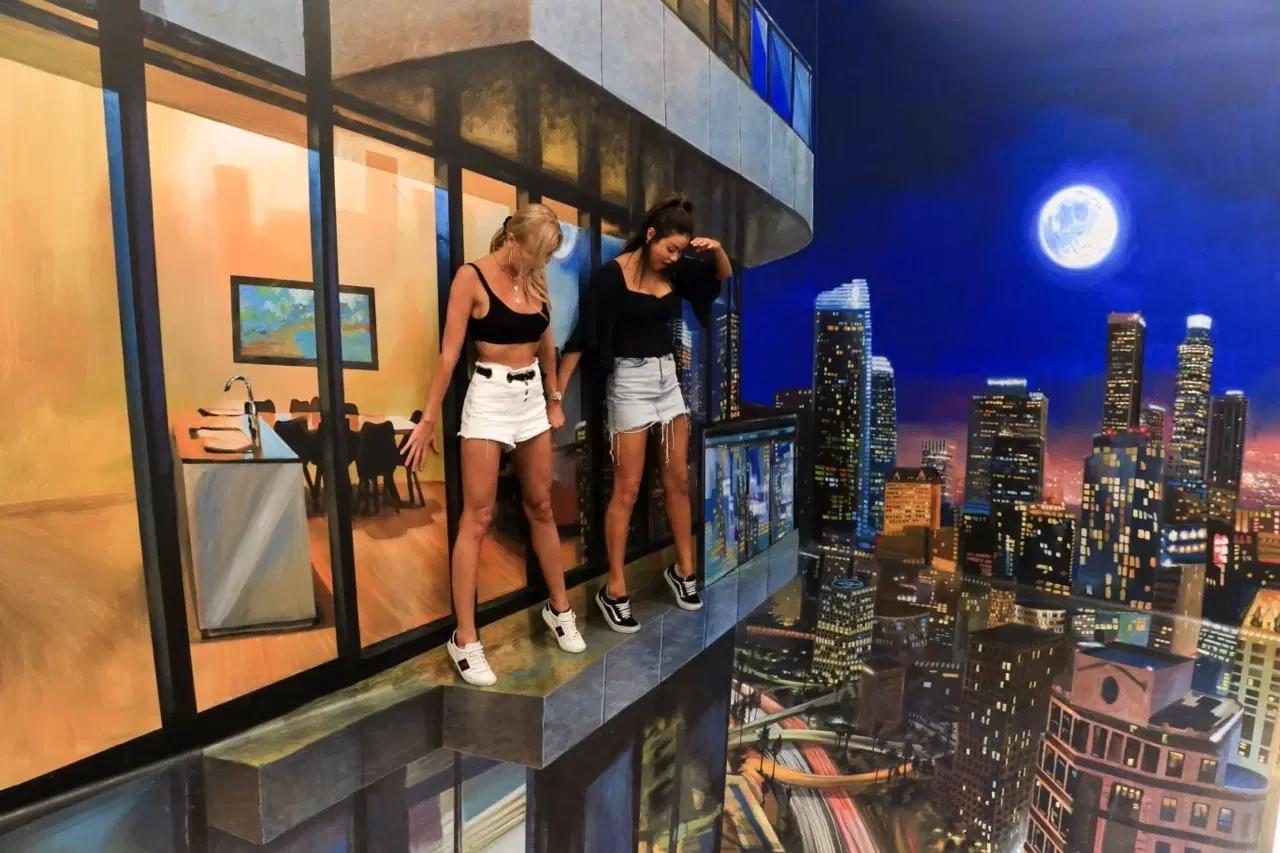
As visitors tour Station 62’s open garage and expansive lobby, their senses engage in a visual dialogue—a phenomenon not unlike what you’d find stepping into Los Angeles’s World of Illusions. Just a few miles away, that attraction blends perception, surprise, and interaction—much as clever architecture does in public spaces.
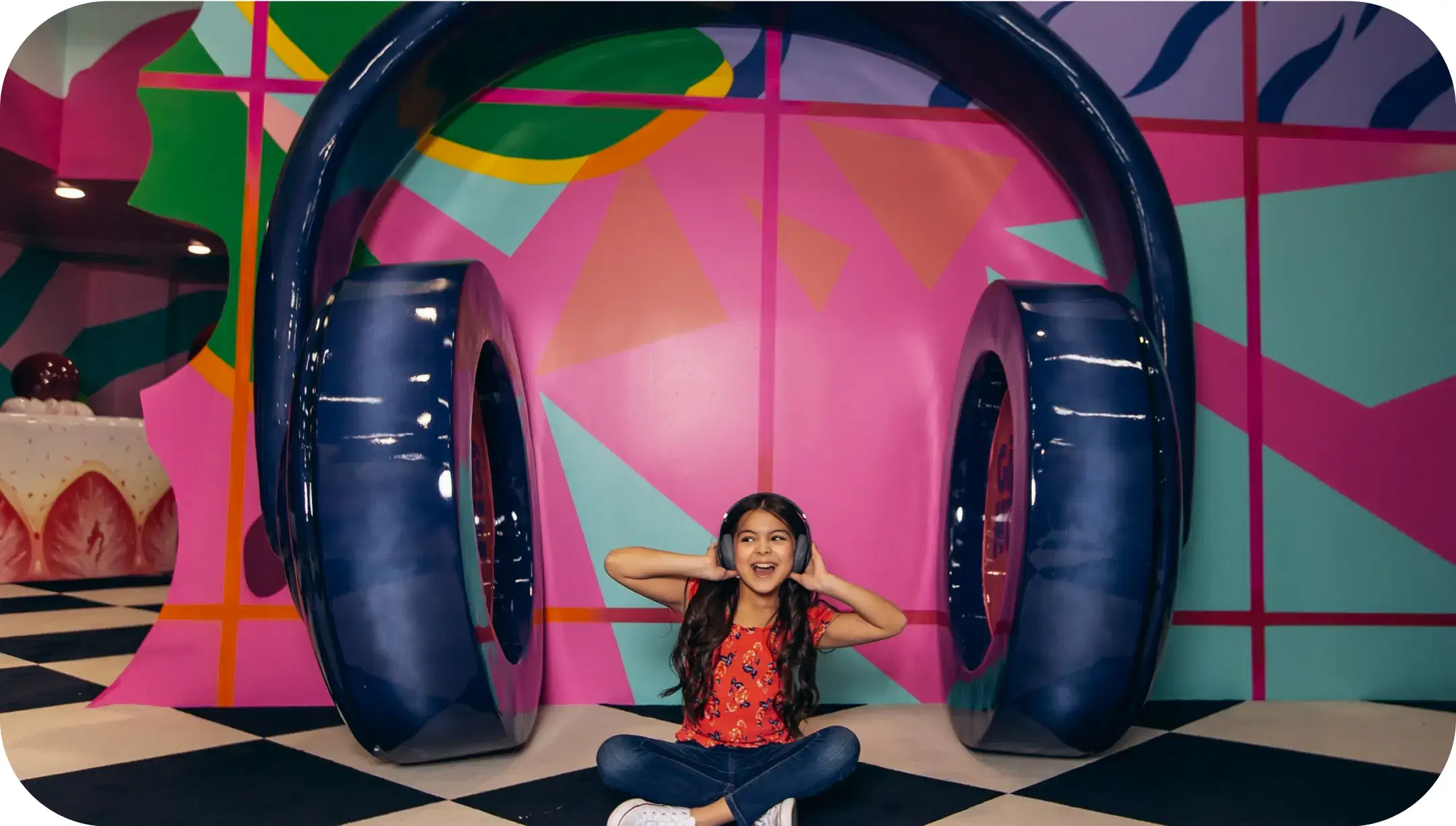
First, the Giant’s House greets guests with everyday objects oversized to evoke whimsy and shift scale—similarly, Station 62 uses its large apparatus bay to awe and convey readiness. Then, the Upside‑Down House flips spatial expectations, prompting a reconsideration of orientation—echoed in how Station 62’s interior ramps and glass walls subtly reframe conventional layouts, guiding movement and attention.
Meanwhile, the Smash It! exhibit offers emotional release via plate-smashing catharsis. Station 62, too, delivers emotional impact, though in quieter form: a building designed to protect lives, instilling a sense of security. Finally, the Museum of Illusions overlays painted trickery onto reality—just as the station’s transparent surfaces play with light and shadow to humanize its utilitarian frame.
Art, Engineering, and Everyday Heroism
Beyond its functional brilliance, Fire Station 62 is a work of civic art. Its architectural silhouette—a low-slung ridge accented by glass and steel—echoes the heroic gesture of engines poised to roll. The design elevates the act of service, turning fire protection into a visible, almost sculptural, civic expression.
Its engineering is deliberate: water lines and communications are routed for resilience; seismic-resistant joints are subtly integrated; crew quarters offer comfort under high-stress conditions. All this engineering underscores how architecture can protect both building and people—melding artistry and technical mastery in a single purpose-built form.
Visitors who pause to admire Station 62 discover that public architecture need not be cold or anonymous. Here, bold fire-inspired colors infuse live spaces, open sightlines invite connection, and every beam and panel speaks to readiness. The building quietly celebrates everyday heroism—honoring its firefighters and the community they serve through thoughtful, functional design.
What is the architectural style of Fire Station 62 in Los Angeles?
Fire Station 62 features a modern architectural style that prioritizes functionality and visual impact. Its design includes clean lines, durable materials, and large glass panels that support both operational readiness and community engagement. This blend of fire response practicality and contemporary architecture sets it apart from traditional firehouse models.
Where is Fire Station 62 located and what makes it significant?
Fire Station 62 is located in Los Angeles and serves as a critical hub for emergency response in its district. Its importance lies in both its role in fire protection and its exemplary civic architecture. The station has become a local landmark due to its efficient design and public-facing presence.
How does the World of Illusions relate to architecture and design?
33