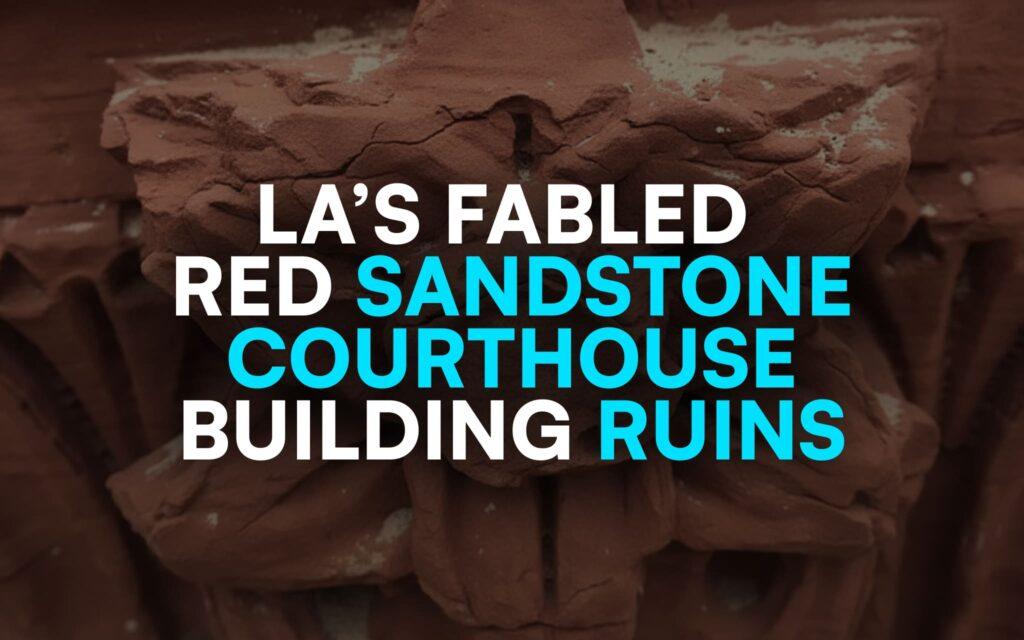

Time-worn and resilient, the red sandstone remnants in LA’s City Terrace Park offer a tangible connection to the city’s architectural heritage. These blocks are the remains of the city’s first dedicated courthouse, constructed in 1891. Designed in the Richardsonian Romanesque style by architects Curlett, Eisen, and Cuthbertson, the courthouse once stood proudly at the intersection of Temple and Spring streets, serving as a symbol of justice and civic pride.
The courthouse was renowned for its grand architecture, featuring a central clock tower, ornate carvings, and a unique open-air elevator that offered panoramic views of the city. For over four decades, it was a hub of legal proceedings and a landmark in the city’s landscape. However, the 1933 Long Beach earthquake rendered the building structurally unsound, leading to its demolition in 1936.
Today, visitors to City Terrace Park can witness the enduring legacy of this historic building. The red sandstone ruins, some of which have been repurposed into park structures, offer a tangible connection to Los Angeles’ past. These remnants serve as a poignant reminder of the city’s architectural evolution and the importance of preserving its historical landmarks.
What Remains Today: A Glimpse into the Ruins
City Terrace Park, located at 1126 N. Hazard Avenue in East Los Angeles, houses the surviving red sandstone blocks from the original courthouse. These ruins, scattered throughout the park, showcase the craftsmanship of 19th-century builders and the distinctive red hue of the sandstone used in construction. Visitors can explore the park to find these historical artifacts, some of which have been integrated into retaining walls and other park features.
The presence of these ruins in a public space allows for an immersive historical experience. As you walk through the park, the red sandstone structures provide a stark contrast to the surrounding modern buildings, offering a unique perspective on the city’s development.
The integration of the courthouse ruins into City Terrace Park exemplifies a commitment to preserving Los Angeles’ architectural heritage. By maintaining these red sandstone structures, the city honors its past while providing a space for reflection and education. The ruins stand as a testament to the enduring impact of historical buildings on the cultural landscape of Los Angeles.
From Ruins to Illusions: A Shift in Perception
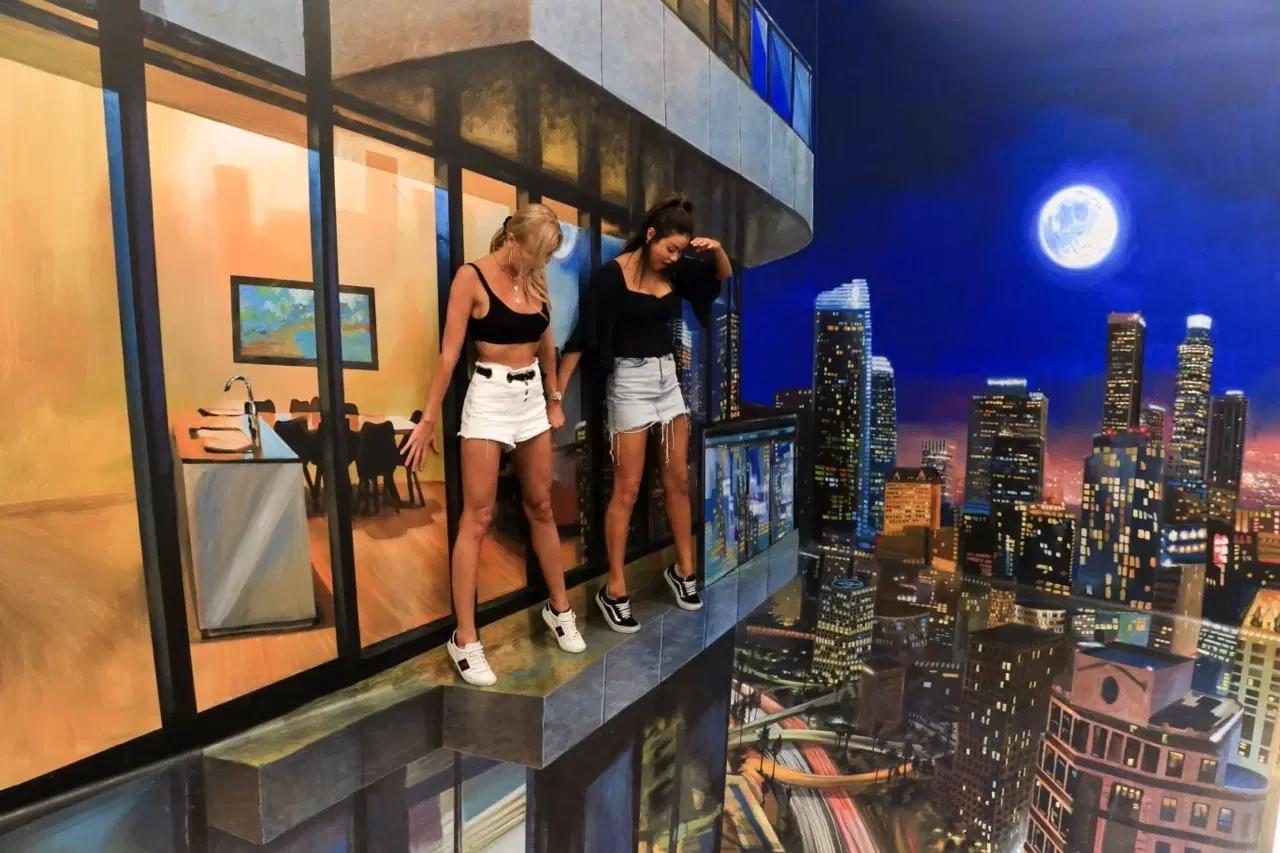
Just as the red sandstone ruins offer a window into the past, the World of Illusions in Los Angeles provides a journey into the fantastical. Located in Hollywood, this interactive museum features exhibits that challenge perceptions and engage the imagination. Visitors can explore four unique attractions: the Museum of Illusions, the Upside Down House, the Giant’s House, and Smash It!
The Museum of Illusions showcases a collection of 3D artworks that create mind-bending optical illusions. Guests can pose with these installations to become part of the art, experiencing the thrill of visual trickery. In the Upside Down House, seven rooms are designed to defy gravity, allowing visitors to walk on ceilings and dance on walls, offering a playful inversion of reality.
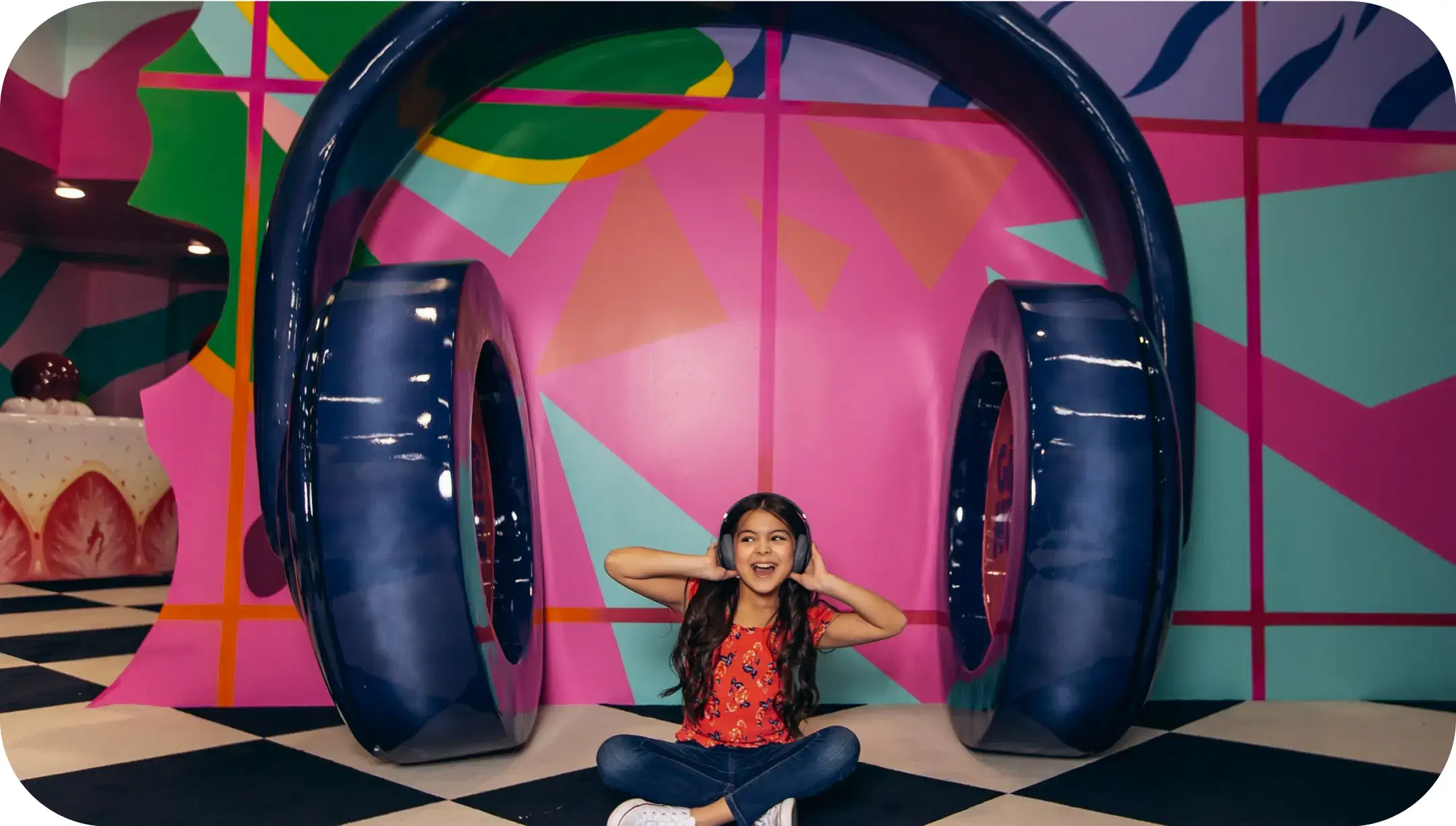
The Giant’s House immerses guests in a world where everyday objects are magnified to colossal proportions, making visitors feel as though they’ve shrunk in size. For those seeking a cathartic experience, Smash It! provides an outlet to release stress by writing frustrations on plates and smashing them against walls. Each exhibit offers a distinct experience, blending art, entertainment, and interactive fun.
Why the Site Matters: Context Among Los Angeles Buildings
The red sandstone courthouse ruins are more than just remnants of a building; they represent a chapter in Los Angeles’ architectural narrative. At a time when the city was transitioning from a small town to a burgeoning metropolis, the courthouse stood as a symbol of progress and civic order. Its construction marked a shift towards more permanent and grandiose public buildings, reflecting the city’s aspirations.
The use of red sandstone in the courthouse’s construction was both an aesthetic and practical choice, lending the building a distinctive appearance and durability. This material choice set a precedent for other civic buildings in the area, influencing the architectural style of the period. The courthouse’s design and materials contributed to the city’s unique architectural identity, blending functionality with visual appeal.
Preserving the ruins within City Terrace Park allows for continued appreciation and study of this architectural heritage. It provides a tangible link to the past, enabling residents and visitors to connect with the city’s history. As Los Angeles continues to evolve, the red sandstone courthouse ruins serve as a reminder of the city’s journey and the importance of honoring its historical foundations.
What are the Red Sandstone Courthouse ruins in Los Angeles?
The ruins are the remaining red sandstone blocks from the original 1891 Los Angeles County Courthouse. Though the courthouse was demolished in 1936, some of its sandstone pieces were preserved and relocated to City Terrace Park, offering a rare glimpse into the historic buildings that once shaped the city’s early civic identity.
Where can I see the red sandstone ruins and what is there to explore?
The sandstone ruins are located in City Terrace Park in East Los Angeles. Visitors can explore red sandstone blocks scattered around the park, some of which have been integrated into surrounding buildings and walls. These ruins offer an engaging way to experience the history of Los Angeles through the architecture of a bygone era.
How does the World of Illusions connect with the courthouse ruins?
While the sandstone ruins offer a look into the city’s past, the World of Illusions nearby provides a dynamic contrast through immersive, modern experiences. From navigating upside-down buildings to wandering rooms filled with red giant props, the attractions invite visitors to explore perception just as the courthouse ruins invite reflection on historical buildings.