
The Coca-Cola Building: A Los Angeles Icon
Architectural Marvel of the Coca-Cola Building
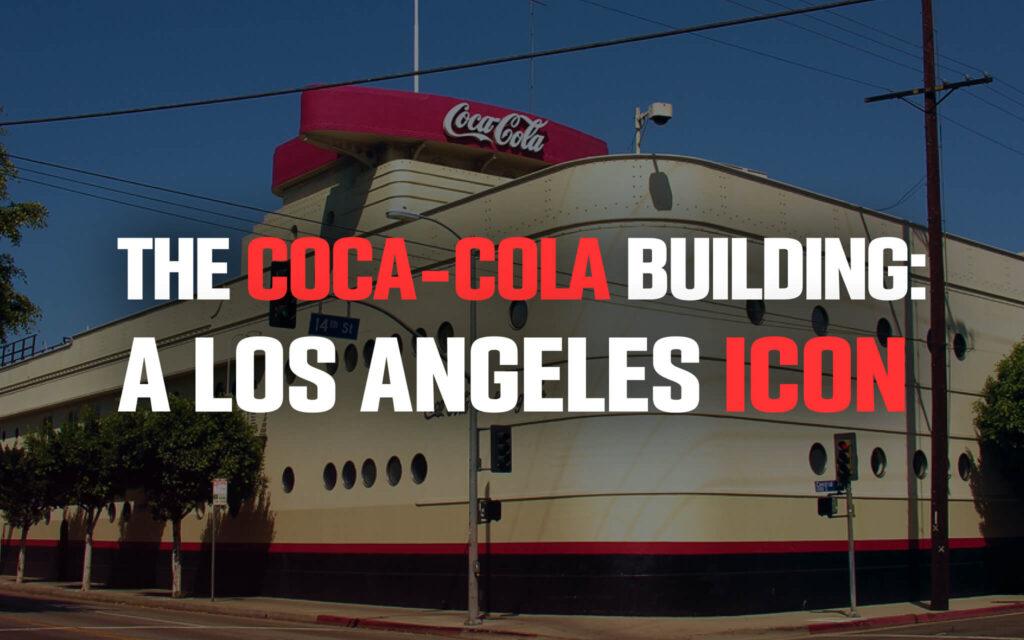
The Coca-Cola Building in Los Angeles is not just a testament to the enduring appeal of one of the world’s most famous beverages; it’s a striking example of Streamline Moderne architecture. Its distinctive red and white façade mirrors the classic Coca-Cola branding, making the building instantly recognizable. The curved, flowing lines of the structure exemplify the aerodynamic design typical of the era in which it was built, designed to convey speed and efficiency.
Inside, the building continues to impress with its attention to detail and preservation of historical features. The lobby and public spaces are adorned with vintage Coca-Cola memorabilia, showcasing the rich history of the brand. Visitors are often struck by the polished chrome fixtures and neon signs that hark back to the golden age of American industry and design.
Touring the Coca-Cola building offers a unique glimpse into the clever integration of brand identity into architecture. The use of space and thematic elements throughout the building not only celebrates Coca-Cola’s heritage but also highlights the innovative strategies the company has employed to maintain its status as a pop culture icon.
Historical Significance
Constructed in the early 20th century, the Coca-Cola Building serves as a time capsule of the booming industrial era in Los Angeles. Initially functioning as a bottling plant, it has witnessed the dynamic evolution of both the city and the Coca-Cola Company. Over the decades, this building has become more than just a place of business; it’s a symbol of enduring American entrepreneurship.
The transformation of the Coca-Cola Building into a historic landmark was driven by a recognition of its cultural and architectural importance. It stands as a reminder of Los Angeles’s rapid growth and the role that major corporations like Coca-Cola played in this development. The designation of the building as a historic landmark helped preserve its structure and spurred similar efforts across the city.
Today, the building not only attracts architecture enthusiasts but also historians eager to understand the industrial past of Los Angeles. Its walls, adorned with historical plaques and original artworks, tell the story of a bygone era and the people who shaped the Coca-Cola legacy.
Cultural Impact and Branding
The Coca-Cola Building is more than just a place; it’s a branding powerhouse. As one of the most photographed landmarks in Los Angeles, it serves as a perpetual advertisement for the Coca-Cola brand. The building itself is a manifestation of the company’s commitment to remaining a relevant and influential force in popular culture.
Visitors to the building can explore how Coca-Cola has become interwoven with global culture through various interactive displays and exhibits. These presentations delve into the brand’s iconic advertising campaigns, celebrity endorsements, and its surprising presence in significant historical moments. This immersive experience offers insights into how Coca-Cola has remained at the forefront of consumer consciousness.
The building also hosts various cultural events throughout the year, from art exhibits to music performances, further cementing its status as a cultural hub. These events not only attract locals and tourists alike but also create a vibrant community space that reflects the lively spirit of Los Angeles.
Architectural and Cultural Appreciation from Afar
Although the Coca-Cola Building in Los Angeles does not offer public tours due to its function as an office and bottling plant, there are still ways to appreciate its unique architectural and historical significance. Visitors and architecture enthusiasts can admire the building’s exterior, which is a prime example of the Streamline Moderne style, characterized by its rounded corners, long horizontal lines, and nautical elements, reflecting the design trends of the early 20th century.
Photography enthusiasts often capture the striking contrast between the Coca-Cola Building’s historic facade and the modern cityscape of Los Angeles. The vibrant red and white colors of the building make it a standout subject against the blue California sky, offering a perfect snapshot of Los Angeles’s diverse architectural heritage.
For those interested in learning more about the history and impact of the Coca-Cola brand, there are numerous online resources and local archives that provide information about the building and its role in the company’s history. These resources offer a virtual tour experience that can be accessed from anywhere, providing insights into how this iconic brand became intertwined with American culture and industry.
Exploring the World of Illusions
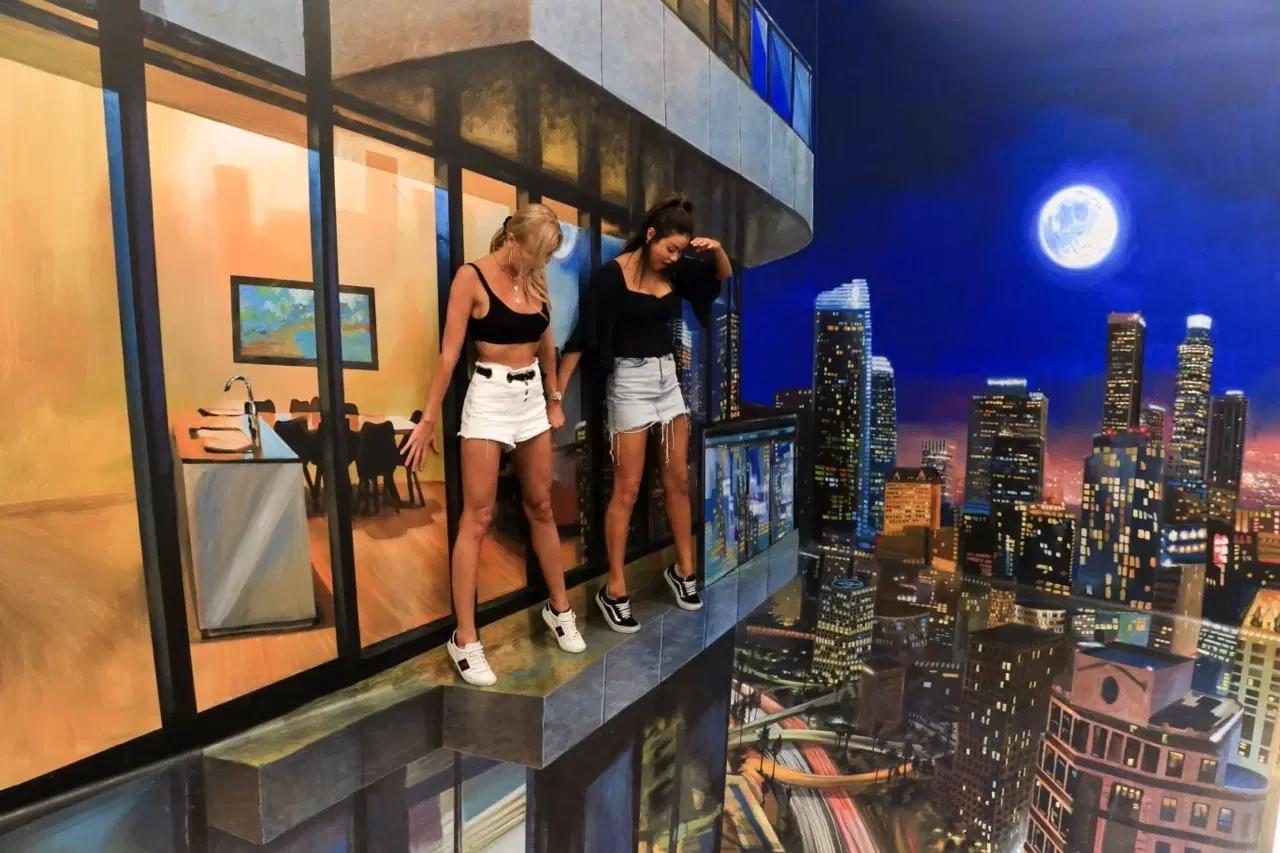
While the Coca-Cola building is not open to the public, Los Angeles does offer an array of other attractions that offer far more interactive experiences. Perhaps the most interesting is the World of Illusions, a unique attraction in that captivates visitors with its array of mind-bending exhibits. The Museum of Illusions, one of its most popular attractions, features stunning 3D illusions and paintings that allow guests to become part of the artwork. These interactive pieces are perfect for those looking to capture memorable photos and experience art in a new dimension.
Next, the Upside Down House turns the world on its head, literally. With seven rooms designed to challenge your perceptions, this exhibit offers a playful and unusual experience. Visitors can walk on ceilings and see furniture and decor from an entirely new perspective, making for an unforgettable visit.
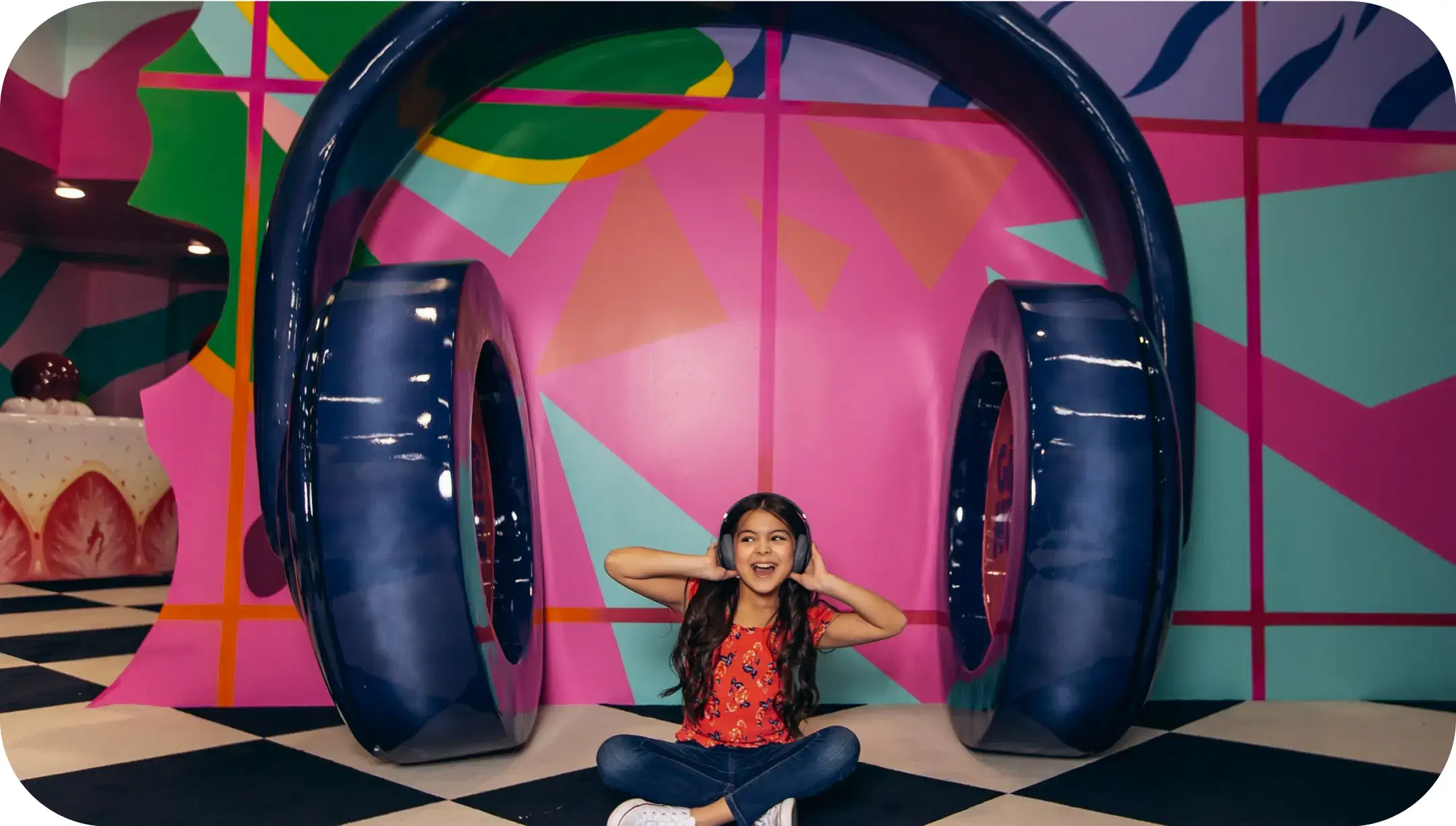
Lastly, the Giant’s House and the Smash It! exhibit provide further interactive fun. The Giant’s House scales up everyday objects to extraordinary sizes, creating a fantastical environment where adults feel like children again. Meanwhile, Smash It! offers a cathartic release, where visitors can write their frustrations on plates and then smash them against the wall, a satisfying end to a day filled with unique experiences.
A Cultural Beacon in Los Angeles
The Coca-Cola Building in Los Angeles, beyond its function as an office space, serves as a cultural beacon, highlighting the enduring legacy of one of the most recognizable brands worldwide. Its architectural style, Streamline Moderne, makes it a point of interest for those studying the evolution of American industrial aesthetics and the impact of commercial architecture on urban landscapes.
The building’s location in a prominent area of Los Angeles makes it a notable landmark for residents and visitors alike. It often appears in discussions and guides related to Los Angeles architecture, and its iconic design is frequently photographed and shared by those exploring the city’s historical sites.
Additionally, the building’s appearance in various forms of media, including films, television shows, and commercials, underscores its cultural significance. This media presence not only highlights its architectural beauty but also cements its status as a symbol of commercial success and American pop culture. This role amplifies its importance not just as a physical structure but as a living part of Los Angeles’s cultural narrative.
FAQs
Can I tour the Coca-Cola building in Los Angeles?
The Coca-Cola building in Los Angeles primarily functions as an office and bottling plant and does not offer regular public tours. However, its architectural beauty can be admired from the outside, where its iconic Streamline Moderne design stands out in the Los Angeles cityscape.
What architectural style is the Coca-Cola building known for?
The Coca-Cola building is a celebrated example of Streamline Moderne architecture, notable for its sleek lines, curved forms, and nautical elements. This style reflects the technological optimism of the early 20th century, making the building a significant architectural landmark in Los Angeles.
Are there any nearby attractions to visit after seeing the Coca-Cola building?
After admiring the Coca-Cola building, visitors can explore the World of Illusions, also located in Los Angeles. This nearby attraction offers interactive and fantastical exhibits, making it a fun, interactive complement to the historic and architectural appreciation of the Coca-Cola building.