
Step onto a journey that springs to life through preserved materials and memories of a once-vibrant institution. The Westwood Holmby Historical Society operated for many years as a guardian of local heritage, celebrating the evolution of Westwood and Holmby neighborhoods. Though no longer active, its work left a lasting imprint on the preservation of the area’s architectural and cultural story.
The Society played a vital role in documenting Westwood’s growth from its early 20th-century development to its modern character, preserving photos, personal histories, and neighborhood maps. Its archival efforts captured the changing landscape of Holmby’s estates and helped solidify their historical value. Today, its legacy continues through those materials that remain in local collections and the continued care of the community’s landmarks.
Although the Society no longer hosts public events or maintains active exhibits, its impact is still felt in the preservation of iconic residences and neighborhood character. Both Westwood and Holmby are home to residences that reflect Spanish Colonial Revival, Mid-Century Modern, and other historically significant styles, many of which were once highlighted through the Society’s efforts.
Preserving the Past: Contributions and Continuing Legacy
During its active years, the Westwood Holmby Historical Society was instrumental in fostering awareness about local heritage. Exhibits focused on early land development, iconic local businesses, and the planning that helped shape both Westwood Village and Holmby Hills. Historic homes, old community centers, and architectural records formed the foundation of its public education mission.
While it no longer runs programs or maintains a physical archive, its materials continue to support researchers and enthusiasts who want to understand how the community evolved. The Society was especially interested in how local parks, like Holmby Park and Westwood Park, influenced community life and design choices. Many of those insights persist in secondary collections and municipal records.
The community itself carries forward the legacy of the Society through homeowner initiatives and local organizations that protect the area’s character. Westwood and Holmby residents often cite the Society’s previous work as foundational when advocating for preservation and responsible development. Even in its absence, the spirit of conservation it championed remains active across the region.
A Surprising Shift in Perspective at the World of Illusions
Just beyond Westwood and Holmby lies a sensory experience that adds a dynamic dimension to cultural exploration. The World of Illusions in Los Angeles reimagines perception through interactive exhibits that challenge how we see and interpret the world around us. Its playful illusions and immersive installations resonate in unexpected ways with the historical lens used to view the past.
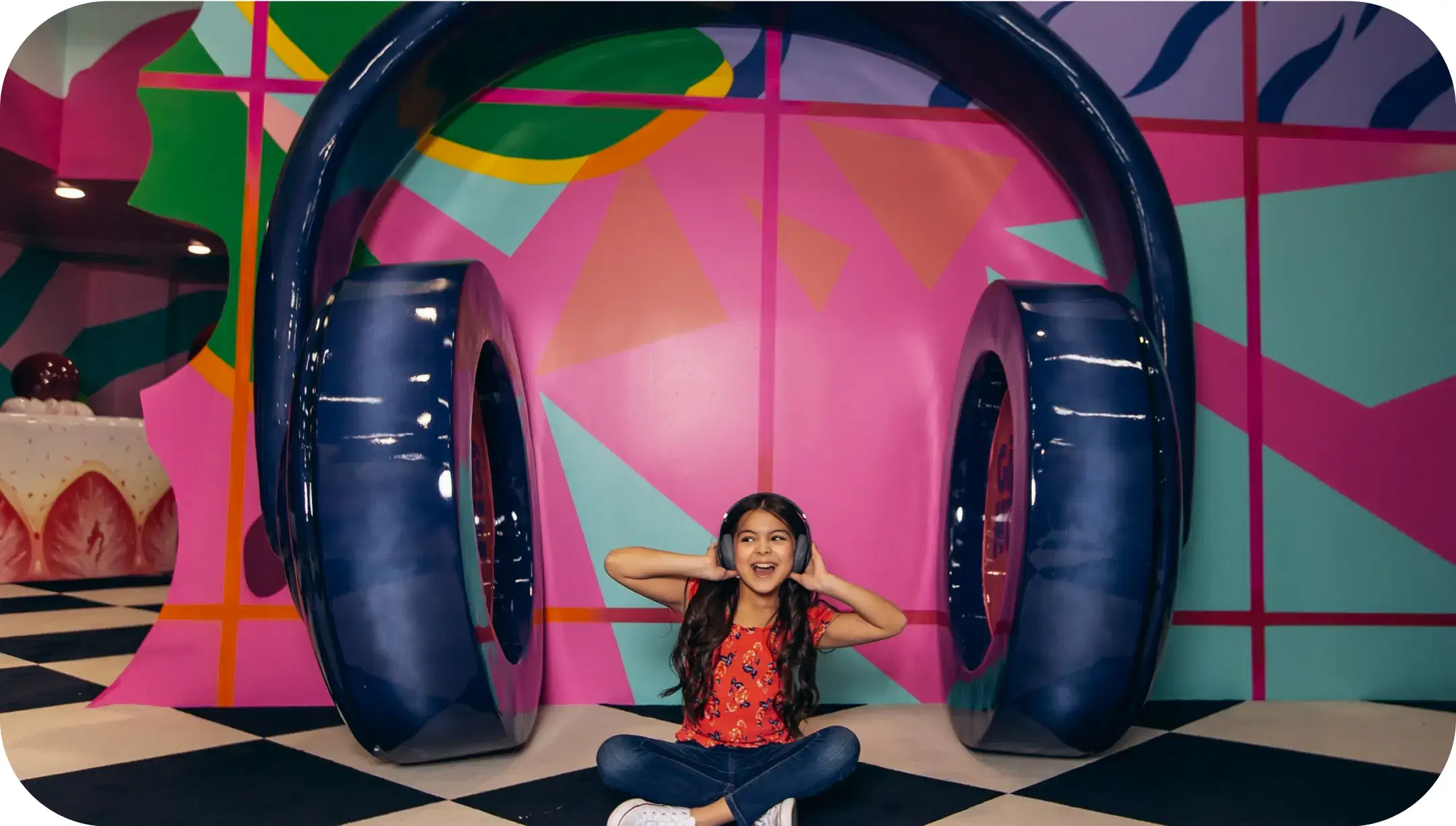
Begin with the Giant’s House, where everyday items tower over visitors and perspective shifts dramatically—just as scale and significance shift when studying old homes in Holmby and Westwood. The Upside-Down House invites guests through seven inverted rooms, defying expectations and encouraging new ways of thinking, much like historical reinterpretation does.
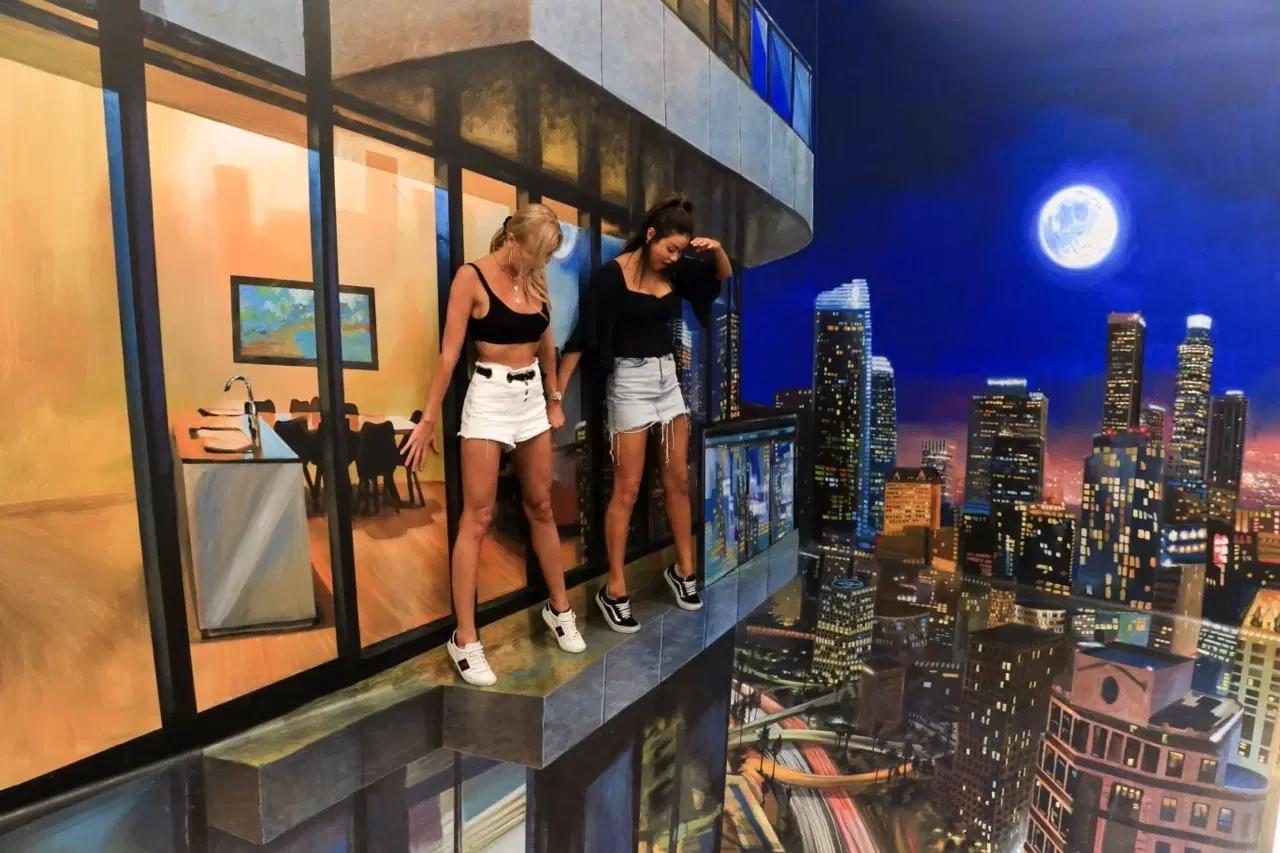
The Smash It! exhibit brings release and reflection as guests scribble frustrations onto plates and hurl them against the wall—a contrast to traditional historical reverence, but one that emphasizes emotion and experience. Finally, the Museum of Illusions fills its walls, floors, and ceilings with 3D murals that make scenes come alive, blending art and trickery to make the unreal feel real—just as historical photos bring long-gone eras to life.
Green Spaces and Historic Charm: The Role of Parks in Holmby and Westwood History
In Holmby Park, visitors today stroll beneath trees planted generations ago, walking paths that have served as community lifelines for decades. Similarly, Westwood Park offers athletic fields and recreational spaces where the rhythm of neighborhood life plays out. These green spaces provide an essential connection between present-day residents and the area’s historical layout.
The original design of these parks reflected a vision of West Los Angeles that balanced development with open space, a hallmark of early planning. Though the Westwood Holmby Historical Society is no longer active, its focus on preserving park documentation helped underscore the significance of these spaces. City archives and historical zoning maps often reference the same elements the Society once emphasized.
Community events continue in these parks, from seasonal gatherings to informal tours, allowing locals and visitors alike to connect with the past. Holmby and Westwood remain deeply rooted in their green infrastructure, and the character of these neighborhoods is still informed by early decisions that emphasized the importance of access to well-maintained outdoor spaces.
Is the Westwood Holmby Historical Society still active?
No, the Westwood Holmby Historical Society is no longer active. However, its past contributions to local history preservation continue to influence neighborhood efforts in Westwood and Holmby.
Can I visit the World of Illusions near Westwood?
Yes, the World of Illusions is located in Los Angeles and features interactive exhibits like the Upside-Down House and Giant’s House that offer a fun contrast to historical experiences.
Are there historical parks to explore in the Holmby and Westwood area?
Yes, both Holmby Park and Westwood Park are rich in history and design. These green spaces reflect early neighborhood planning and are still in use today.