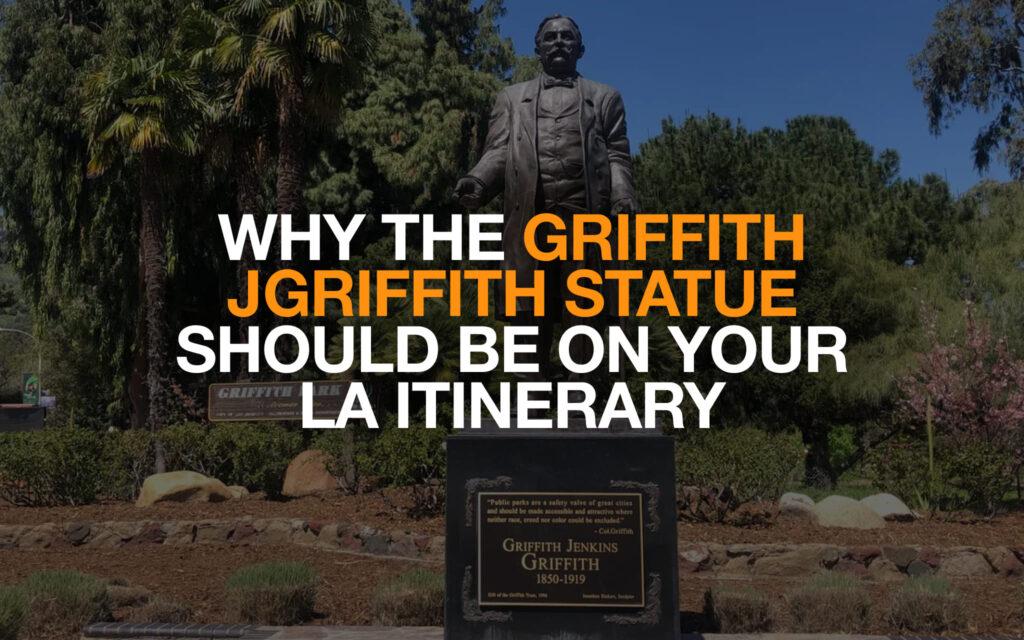

From the first moment you glimpse the impressive bronze figure, the Griffith J Griffith statue commands attention. Created by sculptor Jonathan Bickart and unveiled in 1996, this 14‑foot bronze statue pays tribute to the philanthropist whose generosity shaped Los Angeles. The statue’s presence is bold—Griffith is depicted in period attire, exuding confidence and civic pride at the main entrance to Griffith Park.
Beyond its size, the statue’s craftsmanship emphasizes texture and posture: the detailed folds of his overcoat, the resolute tilt of his chin, conveying purpose. It wasn’t placed randomly—positioned at Los Feliz Boulevard and Riverside Drive, it marks the very threshold to one of America’s most expansive urban parks. This physical gateway signals to each visitor that they are entering legacy—one carved and cast by vision.
Understanding who Griffith was adds resonance. Born in Wales in 1850, he amassed a fortune in mining and real estate, then gifted over 3,000 acres to the city in 1896—calling it “a Christmas present.” The statue encapsulates his philanthropic spirit: a visual reminder of a man who used wealth to create shared space for all. That enduring act of generosity remains one of the largest park donations in U.S. history.
Historic Grounds and Scenic Views
The Griffith J Griffith statue stands at a gateway that leads to sweeping vistas and memorable urban escapes. Just beyond it lies Griffith Park, the second‑largest city park in California at over 4,300 acres, offering everything from hiking trails to an on-site zoo. Visitors often pause here, the statue serving as a perfect photo anchor before venturing deeper.
From this entrance point, a paved route guides walkers past shaded groves and open meadows. Elegant views of the Los Angeles basin unfold, with Downtown’s skyline in the distance and the Pacific faintly glimmering beyond. The statue’s placement emphasizes connection—not only to the park’s landscape, but to the broader tapestry of the city it helped shape. The surrounding area is alive with joggers, families, and photographers capturing both the monument and the city behind it.
Accessibility is key. Located off Los Feliz Boulevard, the location is easy to reach by car or bus. Whether you’re starting a casual stroll or heading to the Griffith Observatory, the statue makes a natural, meaningful stop: a moment to reflect on why this public space exists and who made it possible. Even seasoned locals often find themselves drawn to it again and again for its quiet significance.
What the Statue Represents to Los Angeles
City dwellers and visitors alike encounter more than bronze and stone—the Griffith J Griffith statue represents generosity turned into reality. It commemorates Griffith’s belief that parks should be “for the plain people”—accessible without regard to race, creed, or color. His donation laid a foundation of equity and inclusivity in urban planning.
The statue also embodies historical layering. Erected exactly 100 years after the park’s founding, it affirms the ongoing community commitment to preserving public green space. It connects viewers to a past marked by civic ambition and reminds current generations that legacy requires stewardship. The centennial dedication reflected not only a tribute to Griffith but a rededication of the park’s mission.
For Los Angeles, a city often associated with glitz and industry, this statue is a counterbalance—a visual tribute to civic duty rather than celebrity. Reminding us of where our shared landscapes come from, it reinforces the idea that public art can deepen local identity and civic pride. The statue’s message is quiet but enduring: the best gifts outlive the giver and enrich the many, not the few.
Another Unexpected Landmark: World of Illusions
After absorbing the historical significance of the Griffith J Griffith statue, many visitors crave something more interactive—and that’s where the World of Illusions fits seamlessly into your exploration. Located a short distance away, this hands‑on attraction adds a playful counterpart to the reflective tone set by the statue.
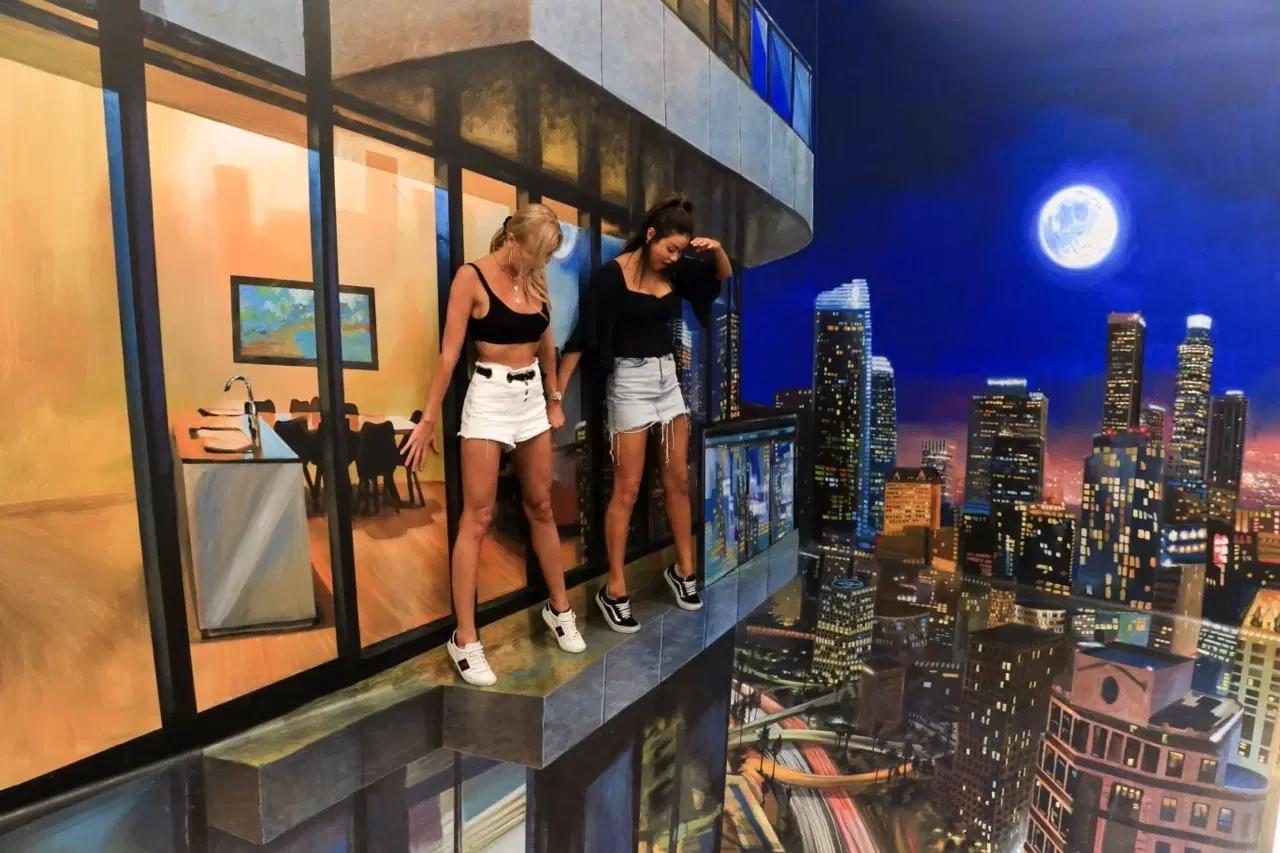
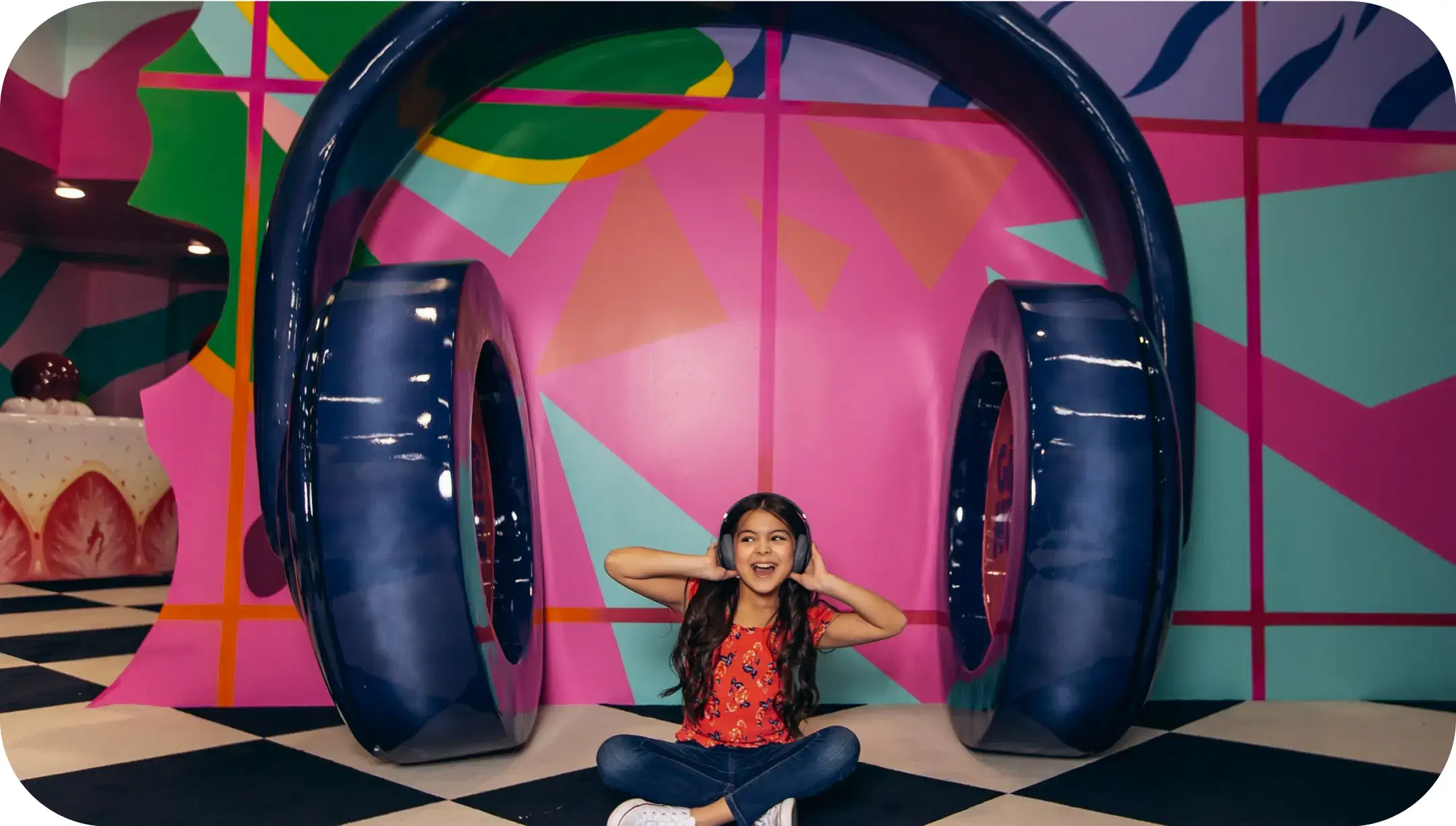
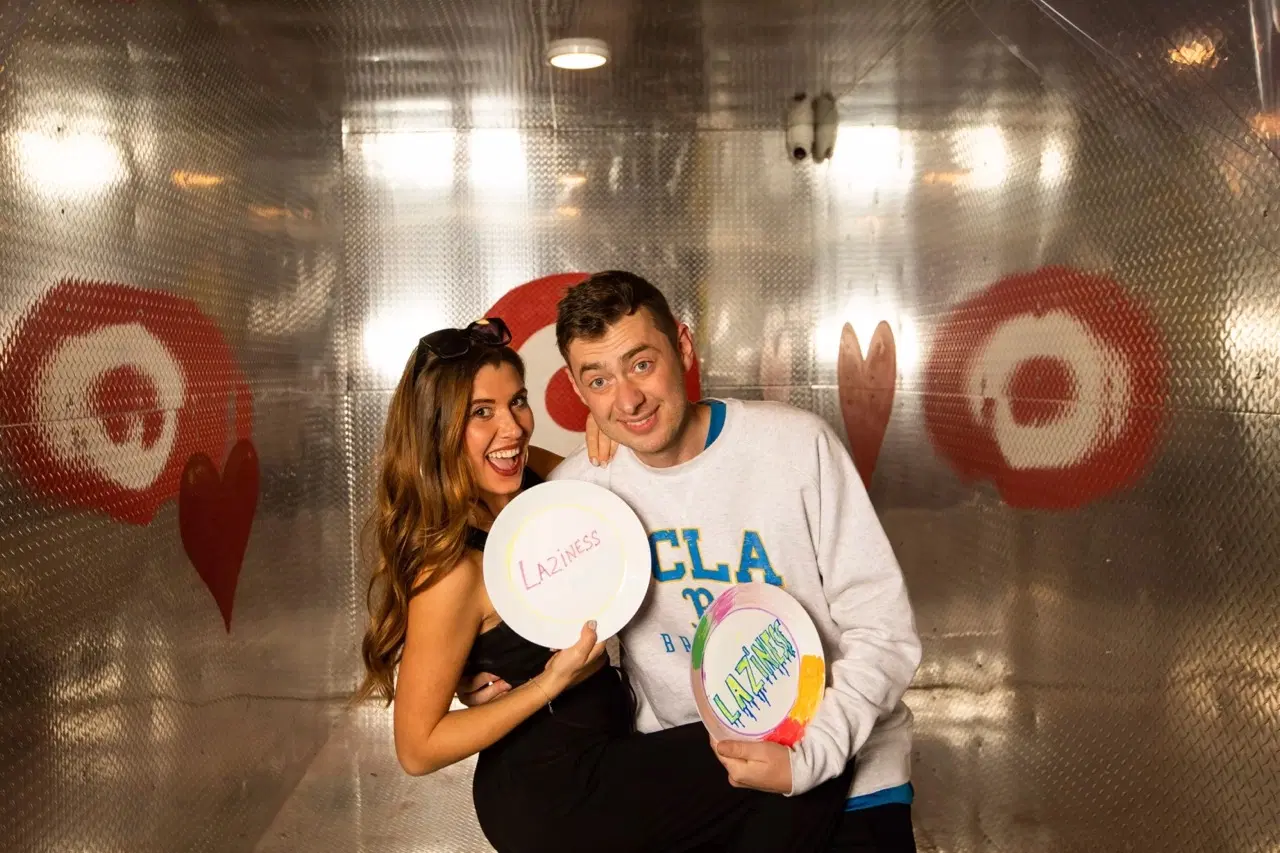
Step into the Upside‑Down House and feel your perspective literally inverted across seven rooms. Navigate the Giant’s House and find yourself dwarfed by massive shoes and larger‑than‑life objects. In the Smash It! exhibit, voice stress by decorating plates and shattering them against a wall. Wander the Museum of Illusions, where 3D artwork on the walls invites mind‑bending photography. Each exhibit plays with perception—echoing how the statue, too, shifts awareness about who shapes the landscape.
Together, the statue and the World of Illusions form two sides of one experience: one rooted in history and grandeur, the other in creative engagement and wonder. Both ask the visitor to see differently—whether it’s a city’s heritage or the way we interact with space and scale. It’s this balance between reflection and exploration that makes Los Angeles so endlessly compelling.
What is the significance of the Griffith statue in Los Angeles?
The Griffith statue honors Colonel Griffith J Griffith, the philanthropist who donated land that became Griffith Park. It highlights his legacy of public recreation and civic generosity.
Where can I find the statue and what can I see nearby?
The bronze statue stands at the Los Feliz Boulevard entrance to Griffith Park, near trails and scenic overlooks, and along the route to the famous Griffith Observatory.
Can I visit the World of Illusions after seeing the statue?
Yes! The World of Illusions—which includes Upside‑Down House, Giant’s House, Smash It!, and Museum of Illusions—offers an interactive, sensory experience that complements your visit to the Griffith statue and park.