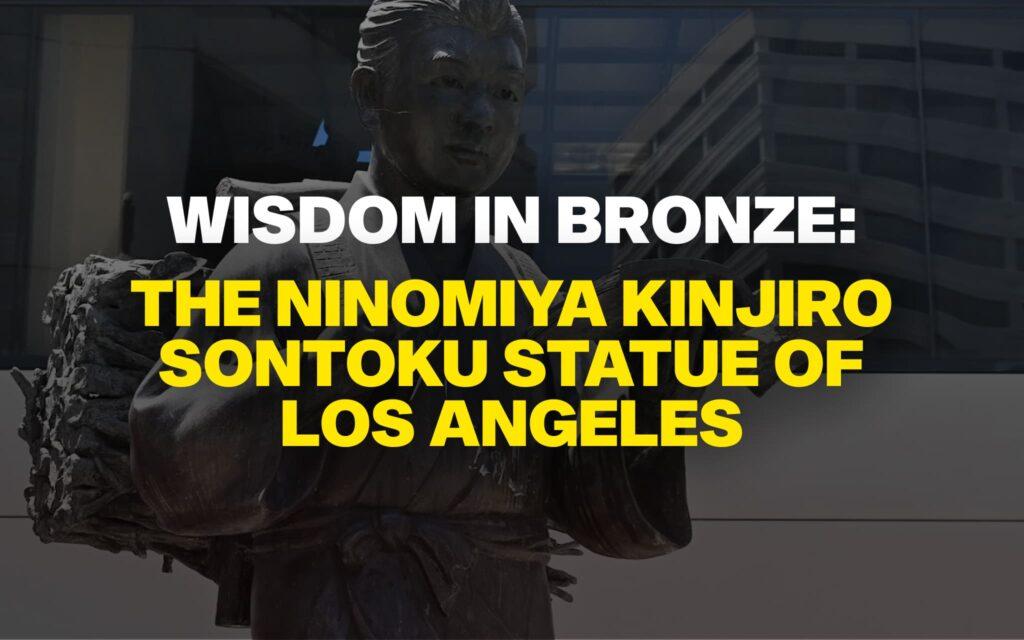

Among the rush of Los Angeles life, a small statue offers something rare: a reason to stop, think, and remember what matters. This bronze figure draws the attention of those seeking quiet inspiration in a busy world. The statue of Ninomiya Kinjiro, also known as Sontoku, is more than art—it’s a lesson in motion. With a book in one hand and firewood on his back, he symbolizes tireless commitment to self-education.
Created by Japanese sculptor Junichiro Hannya in 1983, this six-foot-tall statue of Ninomiya Kinjiro rests atop a four-foot granite base. Every detail—his humble clothes, determined expression, and steady gait—tells the story of a young boy who valued effort and learning above all else. The statue resonates with the cultural ideals of discipline and humility that Sontoku taught throughout his life.
Sontoku, born Ninomiya Kinjiro in 1787, rose from poverty to become one of Japan’s most respected agricultural reformers, philosophers, and economists. He preached a practical blend of moral virtue and economic responsibility, rooted in respect for family, community, and hard work. In a city as diverse as Los Angeles, this statue serves as a cross-cultural emblem of values that transcend borders—just as Sontoku intended.
Location and Cultural Context in Los Angeles
The statue of Ninomiya Kinjiro is located at 200 South San Pedro Street in Little Tokyo, Los Angeles, a neighborhood that has long been a center for Japanese-American heritage. Sontoku’s teachings continue to echo through the quiet plaza where the statue stands, offering a moment of reflection amid the rhythm of city life.
Positioned near the Japanese American Cultural & Community Center (JACCC), the statue forms part of a broader cultural landscape that includes art exhibits, community events, and historic institutions. For many, visiting the statue of Ninomiya Kinjiro is both a personal and educational experience—connecting generations through shared ideals of perseverance and learning.
In a city known for movement and innovation, the calm presence of Sontoku’s statue reminds visitors of the timeless value of focus and character. Its placement near the Japanese American National Museum and other cultural landmarks enhances its role as a cornerstone of the community. For those who stop to observe, Ninomiya Kinjiro is not just a historic figure—he is a daily example of how to live wisely and purposefully.
A Modern Reflection: Visiting the World of Illusions
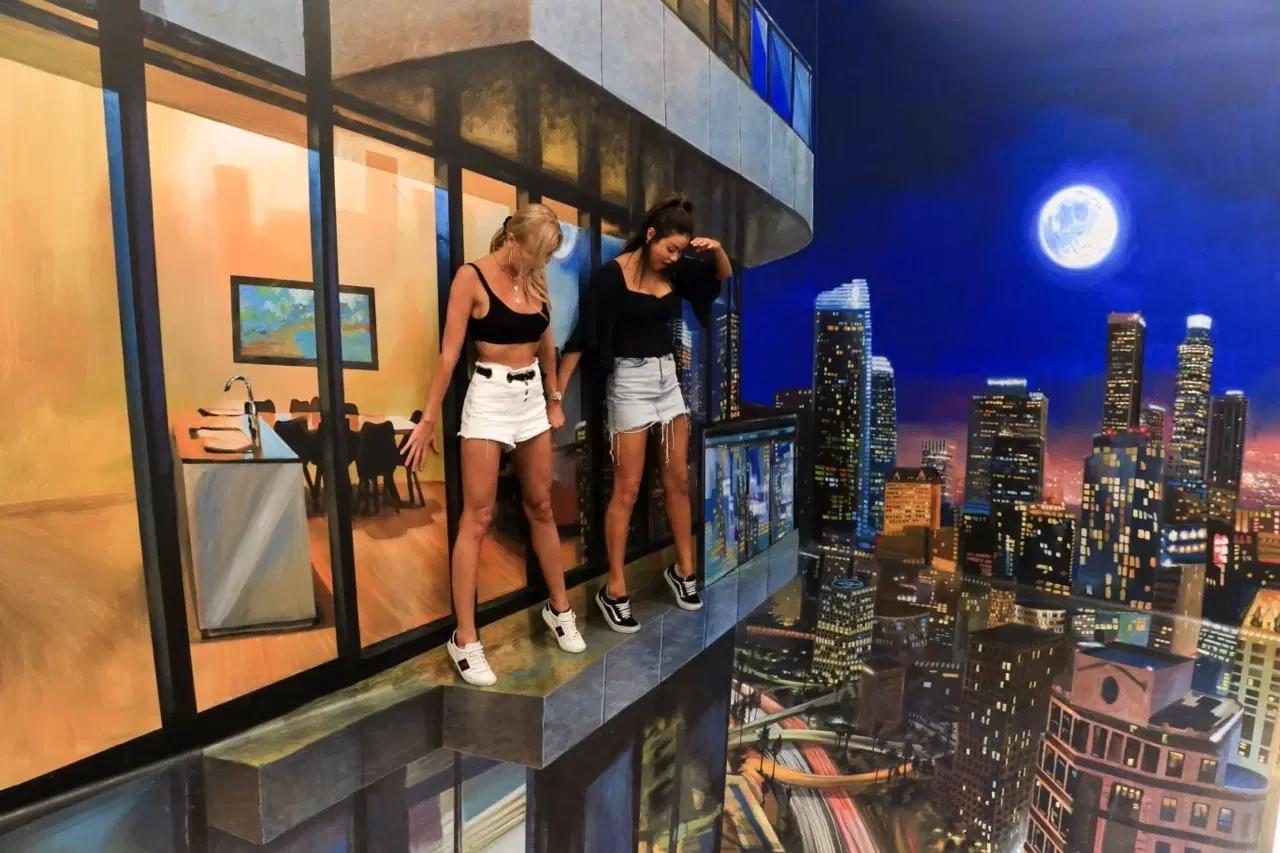
The legacy of Sontoku encourages introspection and creativity—both of which are on vivid display just a few miles away at the World of Illusions in Hollywood. This immersive attraction invites visitors to rethink what they see and feel, using interactive exhibits to spark curiosity and joy. While the statue of Ninomiya Kinjiro honors wisdom gained through study and discipline, the World of Illusions celebrates learning through playful engagement.
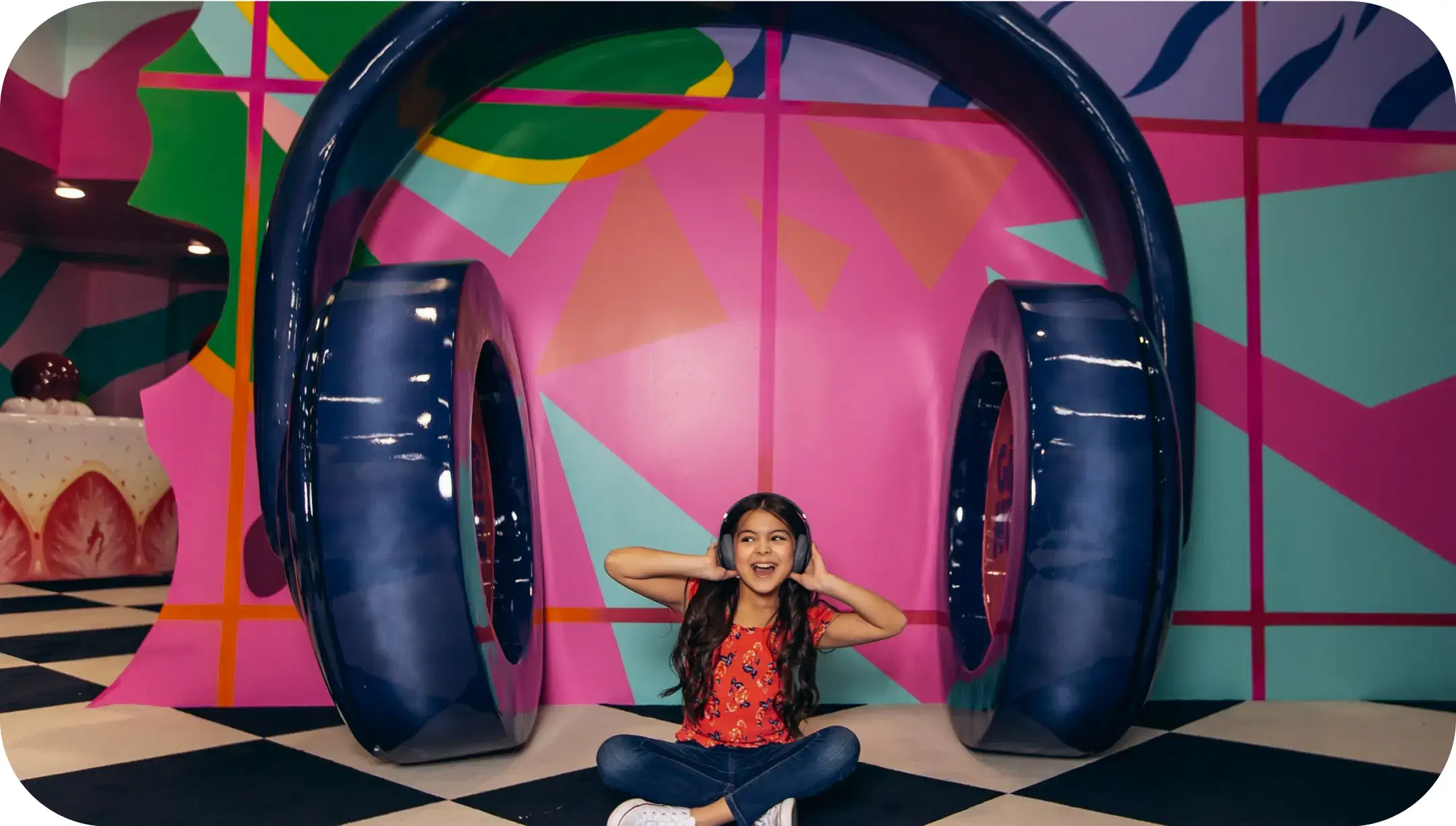
Inside the Upside Down House, visitors wander through seven rooms where gravity seems reversed, offering surreal and comical perspectives. The Giant’s House surrounds guests with oversized props—from toothbrushes to teacups—highlighting the magic of perspective and imagination. At the Museum of Illusions, more than 30 3D artworks let visitors become part of the scene, merging reality and illusion in mind-bending ways.
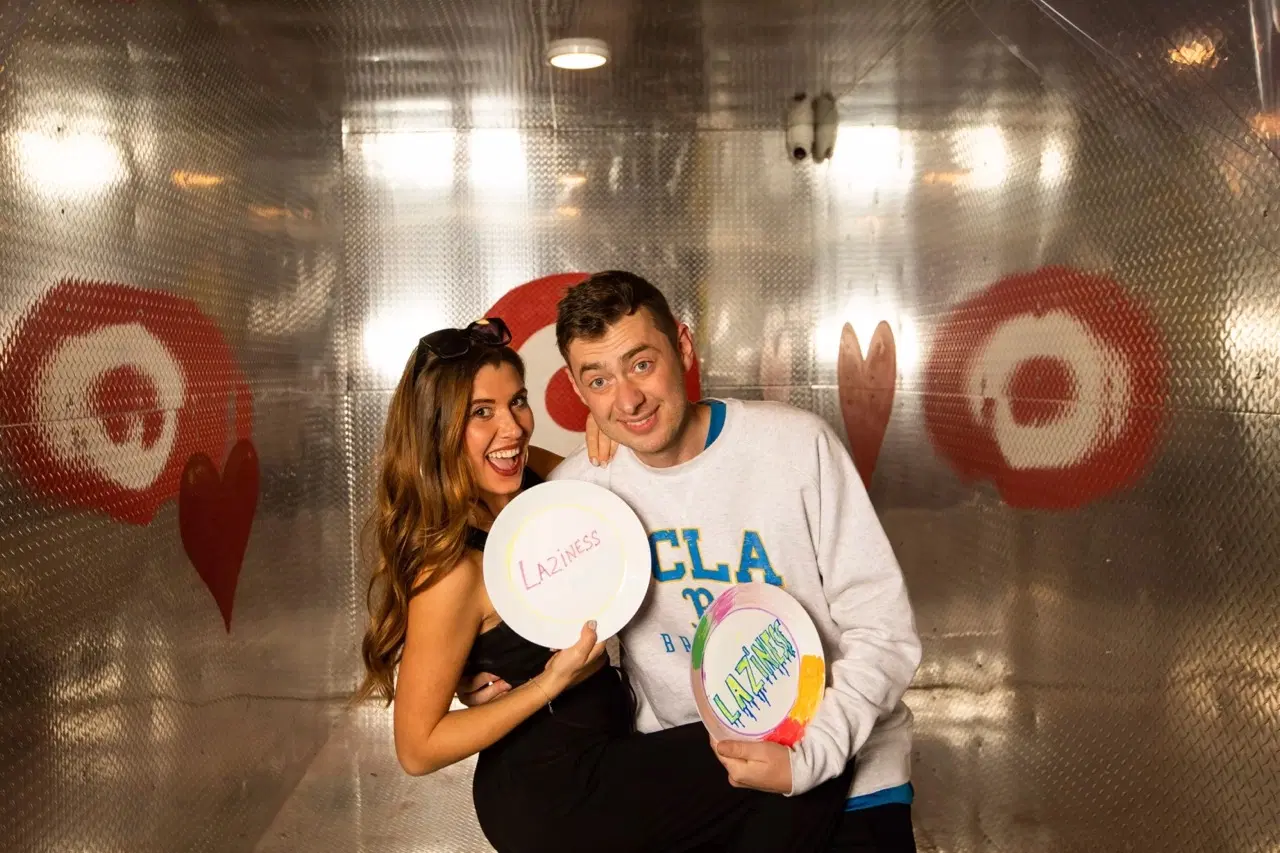
Finally, Smash It! offers a release of emotion and energy—visitors write frustrations on plates and smash them against a wall. Though it contrasts with Sontoku’s serene composure, it reflects a similar purpose: transformation through expression. Whether through quiet reflection at the statue of Ninomiya Kinjiro or explosive creativity at the World of Illusions, Los Angeles offers pathways to discovery grounded in values of growth and clarity.
What to Know Before You Visit
The statue of Sontoku is open to the public and can be visited at any time. Located in a walkable area of Little Tokyo, it is easily accessible and surrounded by local shops, bakeries, and cultural venues. Visitors can find nearby metered parking or take public transportation to the area with minimal effort.
Pairing your visit to the statue with a stop at the JACCC or the Japanese American National Museum makes for a culturally rich day. Events at the JACCC often highlight the very same values Sontoku lived by—making the statue feel like an extension of those teachings into the public space. During annual celebrations like Nisei Week, the area comes alive with parades and performances that make the experience even more immersive.
In a city brimming with attractions, the statue of Ninomiya Kinjiro provides a moment of calm significance. It’s a place to pause and reflect on the universal messages of Sontoku: read, work hard, think clearly, and serve others. It’s a quiet but powerful reminder that even in the fast pace of Los Angeles, wisdom still has a place.
Where is the Ninomiya Kinjiro statue located in Los Angeles?
The statue of Ninomiya Kinjiro is located in Little Tokyo at 200 South San Pedro Street, near the Japanese American Cultural & Community Center. This statue of Sontoku is easily accessible and surrounded by significant cultural landmarks, offering a peaceful setting for reflection and appreciation of Japanese-American heritage.
What does the Ninomiya Kinjiro statue represent?
The statue of Ninomiya Kinjiro, also known as Sontoku, represents diligence, education, and moral responsibility. It depicts Kinjiro carrying firewood while reading, a powerful image of balancing physical labor and intellectual growth. This statue is a tribute to Sontoku’s lifelong dedication to self-improvement and service to others.
Can I visit both the statue and a nearby interactive attraction?
Yes, many visitors combine a trip to the Ninomiya Kinjiro statue with a visit to the World of Illusions in Hollywood. While the statue honors Sontoku’s legacy of focused learning and discipline, exhibits like the Giant’s House and Smash It! offer creative ways to explore expression, making for a well-rounded day of cultural and imaginative engagement.