
Few historical figures capture the enduring spirit of liberty like the Marquis de Lafayette. Born into French aristocracy in 1757, Lafayette made the unprecedented decision to fight not for crown or homeland, but for freedom—sailing across the Atlantic to aid the American colonies in their struggle for independence. His story is one of unwavering conviction, cross-continental loyalty, and sacrifice that shaped two nations.
At only 19, the Marquis aligned himself with the ideals of the American Revolution and volunteered to serve in the Continental Army. He soon became a trusted aide to General George Washington and played a pivotal role in key battles such as Brandywine and Yorktown. His bravery on the battlefield and eloquence off it earned him admiration from both American and French leaders. More than a soldier, Lafayette was a symbol of transatlantic unity and democratic aspirations.
The Marquis de Lafayette’s diplomatic finesse brought critical French military and financial support to the Revolutionary cause. Without his influence, the American fight for freedom may not have prevailed. His contributions not only helped secure independence for the United States but also stirred the first winds of change in France. Lafayette’s name has since become synonymous with international liberty, and the statue in Los Angeles reflects this powerful legacy.
The Statue That Honors a Legend
Located in Los Angeles’ Lafayette Park, the Marquis de Lafayette statue commands attention with its rich symbolism and dignified form. The statue was erected in 1937 and sculpted by Arnold Foerster. Created with a concrete core and plaster exterior, it honors Lafayette’s enduring impact on American independence and the ideals of liberty he fought for.
The statue portrays Lafayette in full military regalia, standing tall with a long cape draped over his shoulders. His sword points downward beneath the hilt, symbolizing both readiness and restraint. There is no dramatic mid-speech gesture here—rather, the statue conveys solemnity and honor. Its minimalist form emphasizes Lafayette’s poise and moral strength rather than battlefield theatrics.
Unlike some monumental groupings, this statue stands alone. There are no additional figures surrounding it—just the solitary presence of the Marquis de Lafayette himself. This focused design invites visitors to engage directly with the figure it honors. Its location in the park encourages a quiet moment of reflection amid the city’s movement and sound, anchoring Lafayette’s legacy in the public imagination.
A Monument Worth the Journey
Set in the rolling greenery of Lafayette Park near Wilshire Boulevard, the Marquis de Lafayette statue offers a meaningful destination for anyone interested in the ideals that shaped America’s founding. The park covers approximately 35 acres, offering wide-open space, mature trees, and public art installations that invite visitors to engage both visually and intellectually with the landscape.
Whether you’re a local or a tourist, the statue offers an educational and visually compelling experience. While the statue itself is unaccompanied by interpretive signage, the surrounding area provides a peaceful and contemplative space. The park is easily accessed by foot, public transit, or vehicle, making it a convenient stop on any historical or cultural exploration of Los Angeles.
The Marquis de Lafayette statue also functions as a civic reminder of democratic values and international solidarity. Its presence in a diverse and fast-moving metropolis like Los Angeles amplifies its message, reminding us that liberty isn’t just historical—it is active and alive. Even in a modern cityscape, the statue stands firm, a symbol of values worth remembering.
Why the Marquis de Lafayette Still Matters
The Marquis de Lafayette’s life and ideals continue to resonate in today’s world, long after the cannons of the American Revolution have fallen silent. His belief in liberty, equality, and justice transcends eras and borders. Lafayette wasn’t merely a participant in history—he was a catalyst. His actions inspired both American independence and the early stages of France’s own revolutionary transformation.
Even after the Revolutionary War, Lafayette remained a fierce advocate for human rights. In France, he was a prominent voice in the National Assembly and helped draft the Declaration of the Rights of Man and of the Citizen. He championed civil liberties and opposed slavery, taking positions that were radical for his time but fundamental to modern democracy. His vision extended beyond borders, aligning with universal values that continue to inspire reformers, activists, and public servants.
Here in Los Angeles, the statue commemorating the Marquis de Lafayette invites reflection on those timeless principles. The presence of this statue on the West Coast is a powerful reminder that the values Lafayette stood for—freedom, courage, justice—are not constrained by geography. His legacy is global, and his story speaks to anyone who believes that standing up for what is right is always worth the risk.
A Modern Tribute to Perception and Freedom
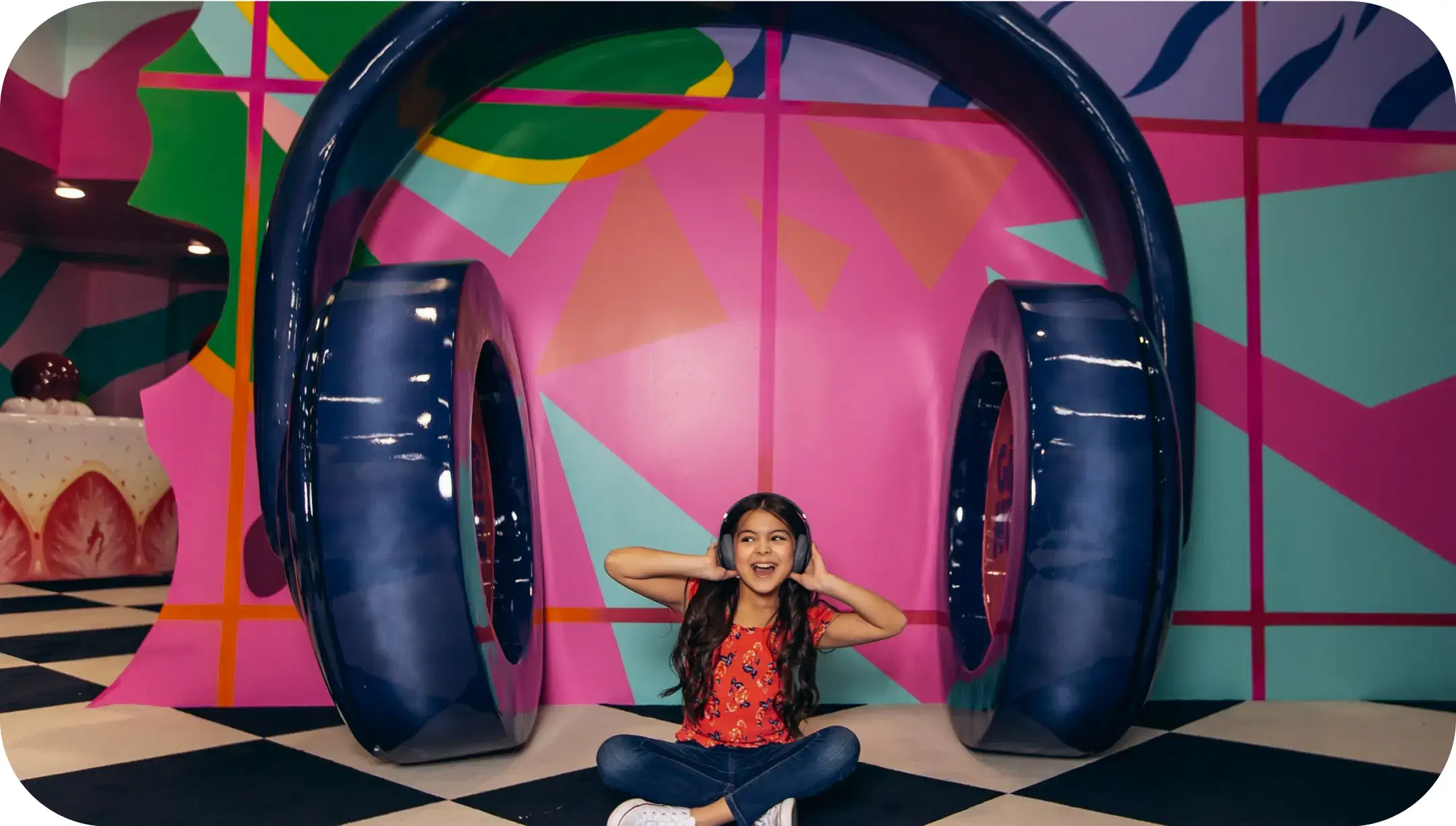
In a city known for reinvention and bold expression, it’s fitting that just a few miles from the Marquis de Lafayette statue, you’ll find the World of Illusions—a vibrant, interactive destination that explores freedom of perspective and the power of imagination. While Lafayette fought for political liberty, this modern experience celebrates the freedom to interpret, create, and escape.
The World of Illusions includes four unique exhibits that each distort reality in engaging and thought-provoking ways. At the Giant’s House, visitors explore oversized furniture and objects that make them feel miniature, offering a playful take on scale and perception. The Upside Down House challenges gravity and orientation with seven disorienting, cleverly designed rooms that turn your sense of balance inside out.
The Museum of Illusions presents over 30 wall-sized, hand-painted 3D illusions that allow visitors to step inside optical fantasies—from waterfalls to comic book scenes. Then there’s Smash It!, where guests are encouraged to write their frustrations on ceramic plates and shatter them against a wall—a cathartic celebration of release and self-expression. In its own way, the World of Illusions honors freedom—not of nations, but of thought—and that makes it an unexpectedly fitting companion to the ideals represented by the Marquis de Lafayette.
Legacy in Stone and Spirit
The Marquis de Lafayette statue in Los Angeles is more than a historical artifact—it is a sculpted embodiment of conviction, alliance, and aspiration. It doesn’t merely commemorate a figure; it invites each visitor to remember that freedom was hard-won and must be protected. Whether standing silently under the morning sun or casting long shadows at dusk, the statue carries with it a weight of meaning that transcends its materials.
In the middle of a bustling, ever-evolving metropolis, the statue offers a pause for reflection—a visual and symbolic reminder of a man who once crossed oceans for a cause not his own. That cause, the pursuit of liberty, echoes still in the lives of people who value justice and democracy today. As generations pass by, the statue silently bears witness, its composed figure ever calling forward those willing to serve something greater than themselves.
By visiting the Marquis de Lafayette statue, we engage not only with history but with the living principles that shape our collective future. Like the World of Illusions that thrives on interpretation and personal vision, this monument challenges us to see more clearly—both our past and our potential. In stone and in spirit, Lafayette remains a guide to the liberty we continue to pursue.
Where is the Marquis de Lafayette statue located in Los Angeles?
The Marquis de Lafayette statue is located in Lafayette Park, near Wilshire Boulevard. This statue honors the courage and international influence of the Marquis de Lafayette and offers a quiet, accessible place for visitors to reflect on his legacy.
Can I visit both the Marquis de Lafayette statue and the World of Illusions on the same day?
Yes, the statue and the World of Illusions are both located in central Los Angeles. After viewing the statue of the Marquis de Lafayette, visitors can explore interactive exhibits like the Giant’s House and Smash It!—making for a day that blends historical reflection with creative fun.
Why is the Marquis de Lafayette statue significant in American history?
The statue honors the Marquis de Lafayette, a French military leader whose support was vital to the American Revolution. It stands as a tribute to Lafayette’s contributions and symbolizes enduring values such as liberty, unity, and international cooperation.